

COURSE CREDITS & HOURS
14 AMA PRA Category 1 Credits™14 ACPE Credits
14 (part II) MOC points in medical knowledge in the American Board of Internal Medicine's (ABIM) Maintenance of Certification (MOC) program
14.0 Contact Hours
COURSE FEES
TARGET AUDIENCE
Physicians, Physician Assistants, Nurses, Nurse Practitioners, Pharmacists,
PROGRAM PURPOSE
Topics:
- Headache
- Apply acute migraine medications
- Discuss the different clinical signs and symptoms of various tTrigeminal autonomic cephalgia
- Diagnose and manage chronic migraine and medication overuse headache
- Seizures
- Use of antiepileptic drugs in the treatment of seizures
- Identify patients nonepileptic behavioral disorders
- Assess patients presenting with their first seizure
- Multiple sclerosis
- Discuss the indications and side effects of the current and most imminent therapies for MS
- Summarize current and emerging imaging techniques in the diagnosis and treatment of MS
- Counsel a patient with MS about reproductive issues
- Dementia
- Recognize the key features for the diagnosis of Alzheimers disease, vascular dementia, and frontotemporal dementia
- Identify the appropriate use of CSF and imaging biomarkers in clinical dementia diagnosis
- Use appropriate phamacologic and non pharmacologic approaches for the management of patients with dementia
- Stroke
- Provide an overview of emergent evaluation of a stroke patient
- Summarize the recommendations for management of hypertension, physical activity, dyslipedemia, diabetes mellitus, diet, and lifestyle
- Discuss the antiplatelet and antithrombotic therapies
- Movement disorders
- Recognize the key features associated with the most common movement disorders
- List the clinical features distinguishing essential tremor form cerebellar tremor from Parkinson&apost;s tremor
- List the cognitive, behavioral and sensory manifestations associated with tics in Tourettte syndrome and related disorders
- Sleep
- Discuss the core science concepts of sleep wake regulation
- Discuss the underlying neurochemistry and pathophysiology of major sleep disorders
- Apply strategies for diagnosis and assessment of patients with common disturbances
- EM Myths & Legends stealing your resources.
- Recommend evidence based improvement of treatment plans affected by myth
- Diversity & Inclusion in Quality Patient Care
- Explain health care disparities and how diversity & Inclusion diminish health care disparities difficulty managing patients of other cultures due to social barriers.
- Disparities Interpreter Services
- Explain the potential of medical errors created by use of non-professional interpreters. Inability to efficiently use professional translator service
- Sepsis Update: 2019
- Create a personal plan to comply with 2019 sepsis bundle 1 guideline difficulty reaching compliance with sepsis quality measures
- Stroke Outliers:
- Explain the epidemiology of wake-up stroke Recognize syndromes that mimic stroke and avoid lytic therapy Predict risk of stroke after TIA avoiding misdiagnosis of stroke
- Airway Management: Avoiding Intubation in Respiratory distress
- Direct the care of respiratory distress patient to avoid intubation Inability to use new oxygen delivery and airway devices in ED.
- Create an algorithm for use of adjuncts to oxygenation and ventilation to avoid intubation
IMPORTANT INFORMATION
PLEASE NOTE: To attend the conference or participate in conference events, participants, their families, and guests must book their cruise within the CEI meeting group through Continuing Education, Inc. This ensures our company can provide conference services and complimentary social amenities to all meeting participants and their guests. Thank you for your cooperation.
Register your interest and receive a full quote at 800-422-0711 (US/Can) or direct/int'l tel: +1-727-526-1571 or register online.
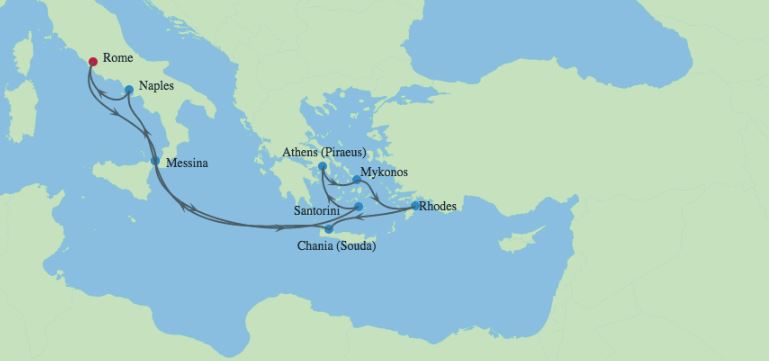
Conference Sessions generally take place on days at sea (as itinerary allows), giving you plenty of time to enjoy your meals, evenings and ports of call with your companion, family and friends.
Register your interest and receive a full quote at 800-422-0711 (US/Can) or direct/int'l tel: +1-727-526-1571 or register online.
Conference Sessions generally take place on days at sea (as itinerary allows), giving you plenty of time to enjoy your meals, evenings and ports of call with your companion, family and friends.
BIAS FREE CME - No Commercial Support was provided for this CME activity.