





COURSE CREDITS & HOURS
14 AMA PRA Category 1 Credits™14 ACPE Credits
14.0 Contact Hours
COURSE FEES
$995.00 for Physicians, Psychiatrists, Pharmacists, & Attorneys
$795.00 for Physician Assistants & Nurse Practitioners
$595.00 for Nurses, Students & Others
TARGET AUDIENCE
Physicians, Physician Assistants, Nurses, Nurse Practitioners, Pharmacists
PROGRAM PURPOSE
- Neurology: Headache Treatment
- Identify common types of headaches and their distinguishing features.
- Describe evidence-based treatment options for different headache disorders.
- Recognize when to refer patients with headaches for specialist evaluation.
- Endocrinology: Thyroid
- Explain the pathophysiology of common thyroid disorders.
- Discuss diagnostic approaches for hypothyroidism and hyperthyroidism.
- Outline current treatment guidelines for thyroid dysfunction.
- Neurology: Cognitive Impairment
- Differentiate between reversible and irreversible causes of cognitive impairment.
- Describe screening tools used for early detection of cognitive decline.
- Summarize current management strategies for cognitive disorders.
- Endocrinology: Diabetes Updates
- Review recent advancements in diabetes management and treatment options.
- Explain the role of continuous glucose monitoring and new pharmacological therapies.
- Discuss strategies for personalized diabetes care and risk reduction.
- Cardiovascular: Risk Management
- Identify key risk factors for cardiovascular disease and their impact.
- Explain preventive strategies, including lifestyle and pharmacologic interventions.
- Review recent guidelines for cardiovascular risk assessment and management.
- Adult Immunization & Primary Screening
- List recommended vaccines for adults based on age and risk factors.
- Explain the importance of early screening for common chronic diseases.
- Describe strategies to improve vaccination and screening adherence in adults.
- Internal Medicine - Top Articles
- Summarize key findings from recent influential articles in internal medicine.
- Discuss how recent research impacts clinical decision-making.
- Apply evidence-based insights to improve patient care.
- Health Promotion: Encouraging a Healthy Body, Mind, and Spirit
- Assess the patient's current state of physical, psychological, and spiritual health.
- Treatment of Migraine, Tension-Type, and Cluster Headaches
- Effectively treat patients with migraine headache using non-pharmacologic means, abortive medications, and preventive medications.
- Consider that tension-type and cluster headaches are discrete sub- types of headache, each of which requires a specific diagnostic approach
- Diagnosing and Managing Depression: Overcoming the Blues
- Sustain initial treatment for depression for six months after remission of symptoms to lower risk of relapse
- Recognize that depression is a common, but often misdiagnosed illness, which can be treated effectively by primary care physicians using medical therapy, psychotherapy, and adjunctive treatment
- Utilize the following adjunctive treatments where appropriate:
- Patient education (bibliotherapy)
- Diet (limit sugar, simple CHOs, caffeine)
- Exercise (150 min/week)
- Behavioral activation (pleasant activities)
- Light (10,000 lux for 30 min daily)
- Support (iatrotherapy)
- Spirituality
- Get Me Out of Here!: Panic Disorder and Agoraphobia in Primary Care
- Elicit and assess symptoms of panic disorder and agoraphobia
- Apply appropriate lifestyle modification and stress management skills, including muscle relaxation, breathing control, thought-stopping, and cognitive restructuring
- Somatoform Disorders: Illness as a Way of Life
- Recognize the key symptoms, signs, and clinical presentation of somatizing patients.
- Communication: Becoming a Healer
- Consider the clinician's role from the personal and psychosocial aspects of care their clinicians
- The Faith Factor: Practicing Spiritually- Sensitive Care
- Elicit a spiritual history in an ethically-appropriate manner. Spiritually-sensitive care enhances the clinician-patient relationship and may positively influence health care outcomes.
IMPORTANT INFORMATION
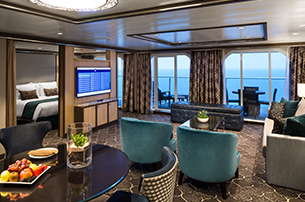
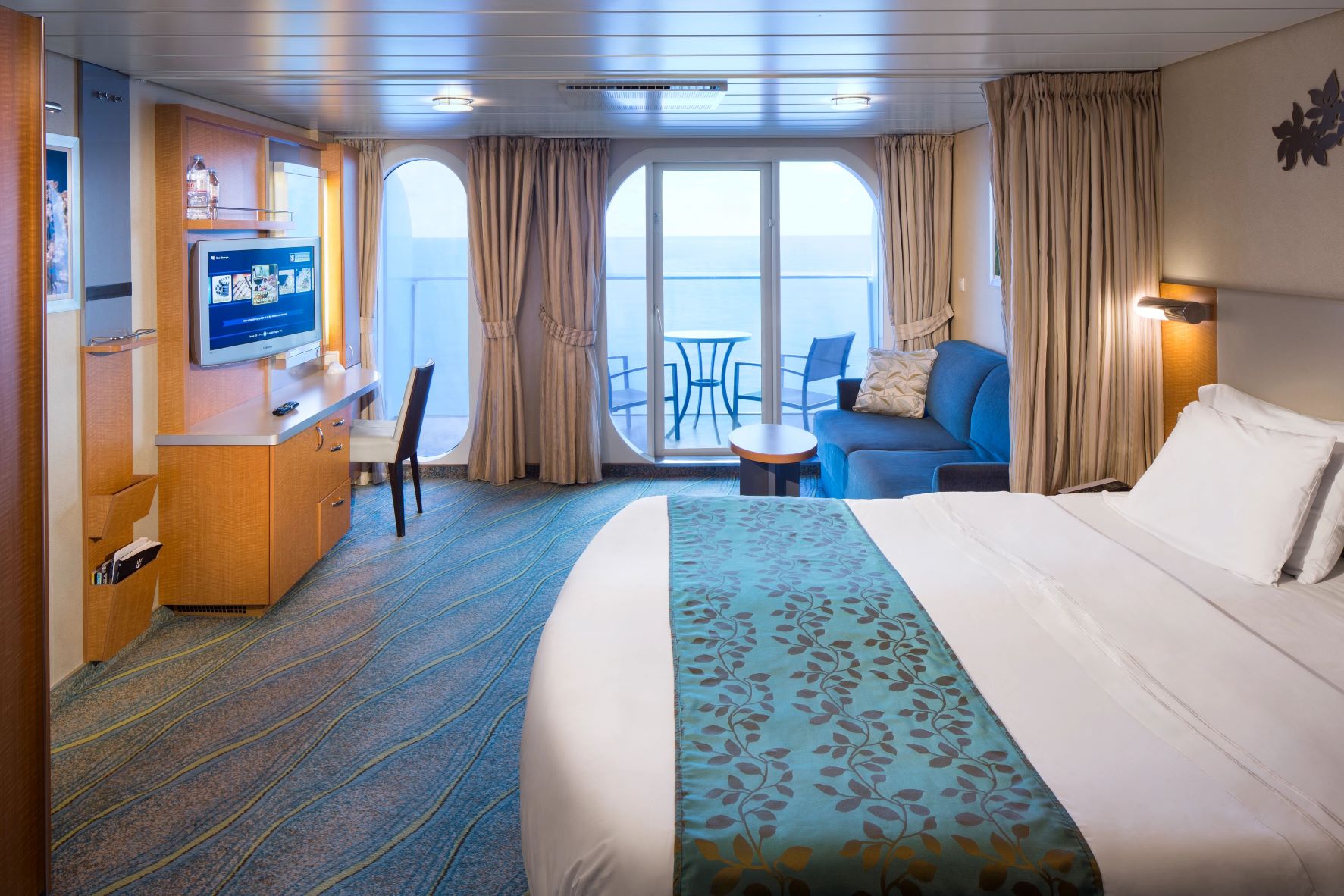
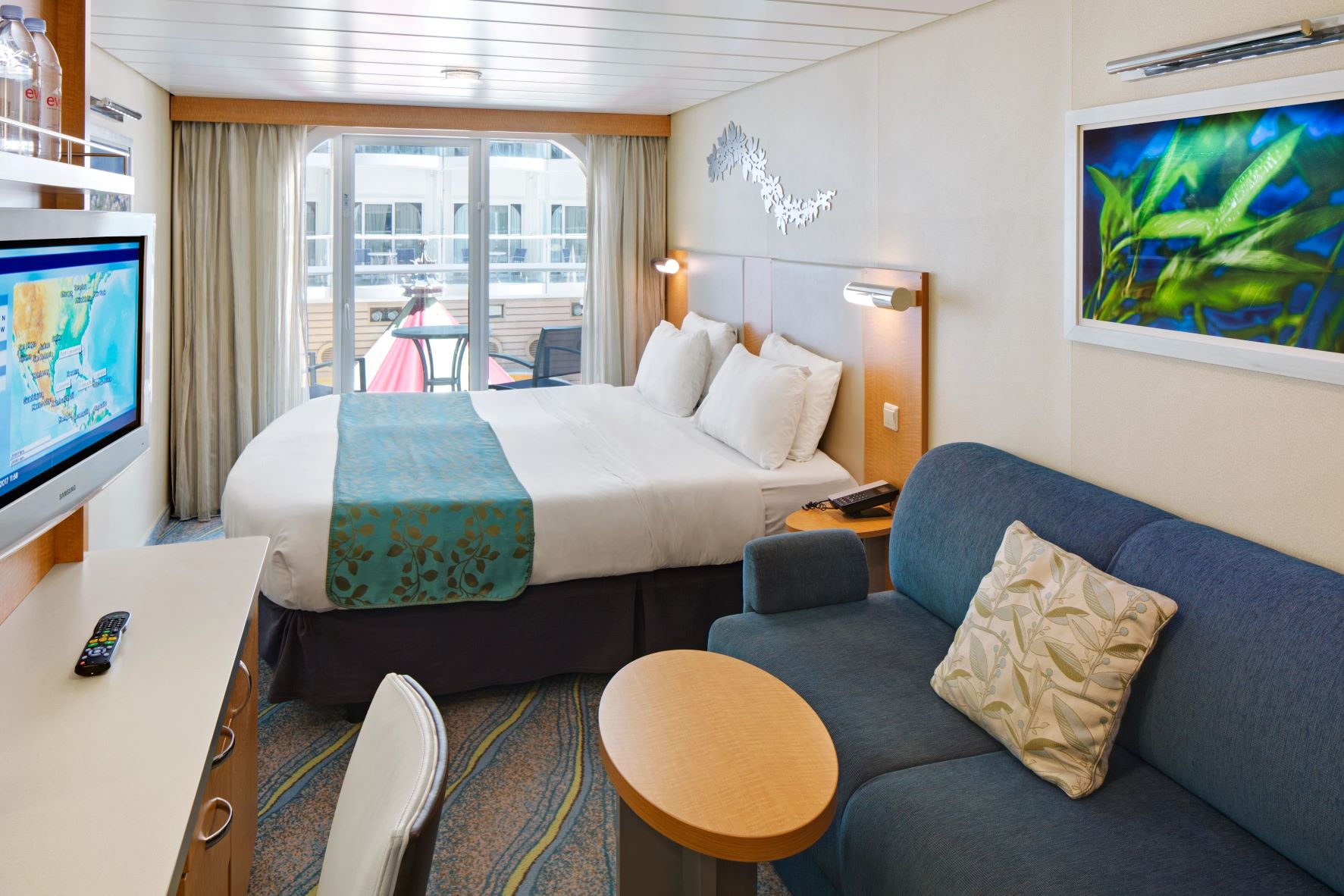
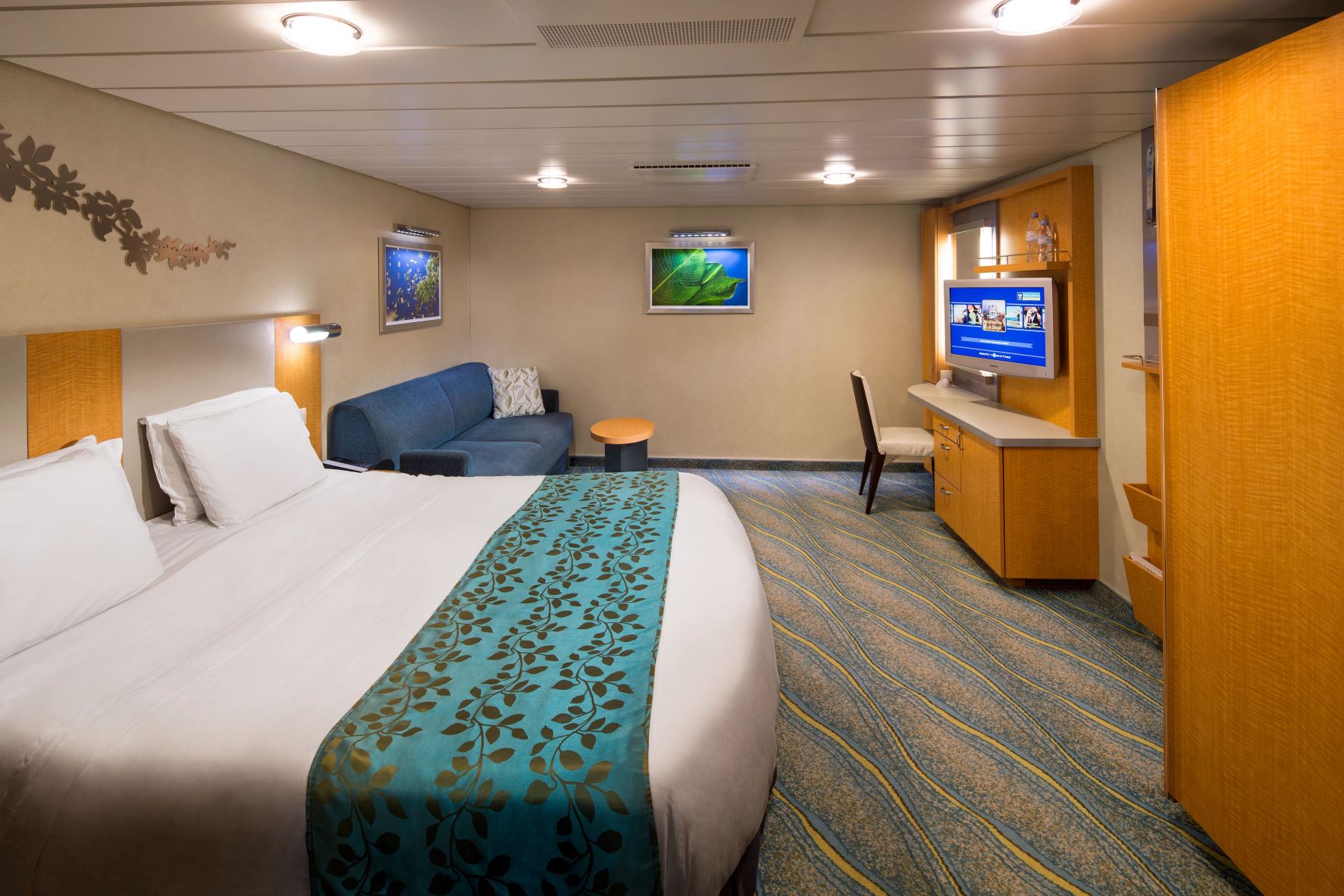
PLEASE NOTE: To attend the conference, participants must book their cruise accommodations through Continuing Education, Inc. This ensures we can provide full conference services and complimentary social amenities to meeting participants and guests. Participants' family and friends are welcome to book within our group allotment to take advantage of our typically excellent rates. Thanks for your cooperation. We look forward to welcoming you aboard!
BIAS FREE CME - No Commercial Support was provided for this CME activity.