




COURSE CREDITS & HOURS
14 AMA PRA Category 1 Credits™14 ACPE Credits
14.0 Contact Hours
7 (part II) MOC points in medical knowledge in the American Board of Internal Medicine's (ABIM) Maintenance of Certification (MOC) program
10 Hours of Pharmacology for NPs
COURSE FEES
TARGET AUDIENCE
Physicians, Physician Assistants, Nurses, Nurse Practitioners, Pharmacists
PROGRAM PURPOSE
Topics:
- Osteoporosis 101
- Evaluate the bone density test and offer treatments accordingly
- Osteoporosis 101 Rx
- Identify the side effects of medications and how we choose them
- Breast imaging - which one do I need to order ?
- Choose wisely the modality that is needed to best address screening and diagnostic breast imaging
- The obesity epidemic - I can not seem to lose weight
- Discuss weight loss medications and indications for Bariatric surgery
- Hot flashes, mood swings and aging skin? can you prescribe estrogen for me ?
- Will analyze the WHI study and the risks associated with prescribing HRT vs. other alternatives
- Physician burnout -and primary care
- Take better care of them and their colleagues
- Memory loss - real or not?
- Offer a DD to the patient and family
- Health Promotion: Encouraging a Healthy Body, Mind, and Spirit
- Assess the patient’s current state of physical, psychological, and spiritual health
- Analyze the patient’s current dietary and exercise practices
- Discuss an individualized health-promotion strategy for the patient.
- “Oh, My Aching Head”: Managing Migraine, Tension, and Cluster Headaches
- Explain the classification of headaches
- Discuss the appropriate use of brain imaging in evaluating patients with headache
- Describe the appropriate use of abortive and preventive medications in the treatment of migrane
- “What Goes Up Must Come Down!”: Diagnosis and Management of Hypertension
- Describe the appropriate measurement and classification of hypertension
- Discuss the laboratory testing and imaging needed to diagnose common causes of secondary hypertension
- Describe the major classes of anti-hypertensive treatment and discuss the type of patient likely to benefit from each class of medication.
- "Get Me Out of Here!": Panic Disorder and Agoraphobia in the Primary Care Setting
- Elicit and assess symptoms of panic disorder and agoraphobia
- Apply appropriate lifestyle modification and stress management skills, including muscle relaxation, breathing control, thought-stopping, and cognitive restructuring
- Somatoform Disorders: Illness as a Way of Life
- Recognize the key symptoms, signs, and clinical presentation of somatizing patients
- Define the concept of “alexithymia” (the inability of some patients to express emotion in verbal terms)
- Develop an effective management strategy for somatizing patients.
- Enhancing Clinician-Patient Communication: Becoming a Healer
- Distinguish the technical, biomedical aspects of clinician’s role from the personal and psychosocial aspects of care
- Describe specific attitudes and values needed to create a healing environment with patients
- Apply techniques for establishing and maintaining rapport with patients and enhancing clinician-patient communication.
- The Faith Factor: Practicing Spiritually- Sensitive Care
- Elicit a spiritual history in an ethically-appropriate manner
- Analyze the physiologic, psychological, social, and lifestyle effects of religious beliefs upon health outcomes
- Describe the spectrum of possible interventions available for addressing patients’ spiritual needs.
IMPORTANT INFORMATION
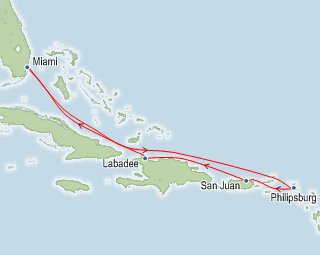
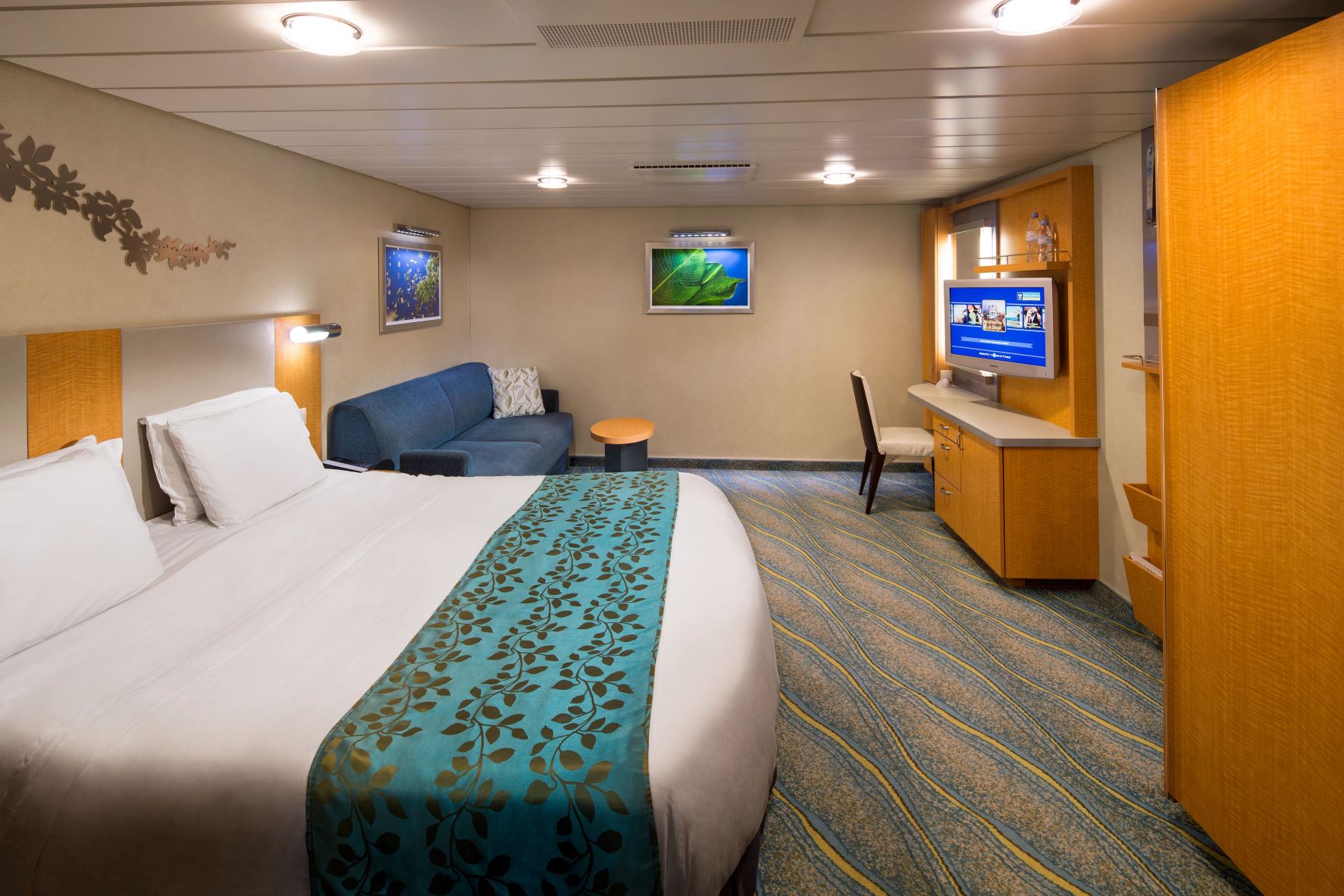
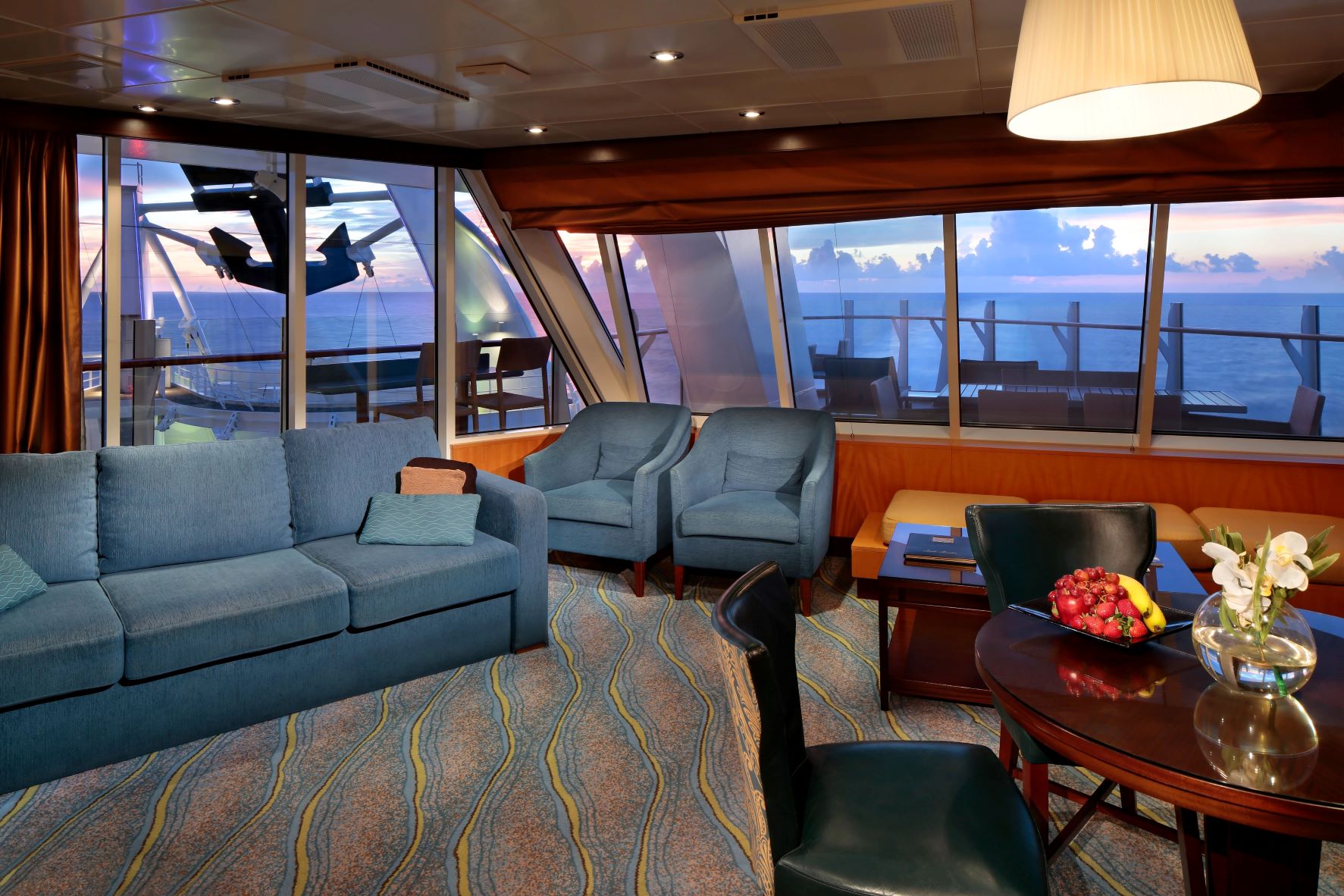
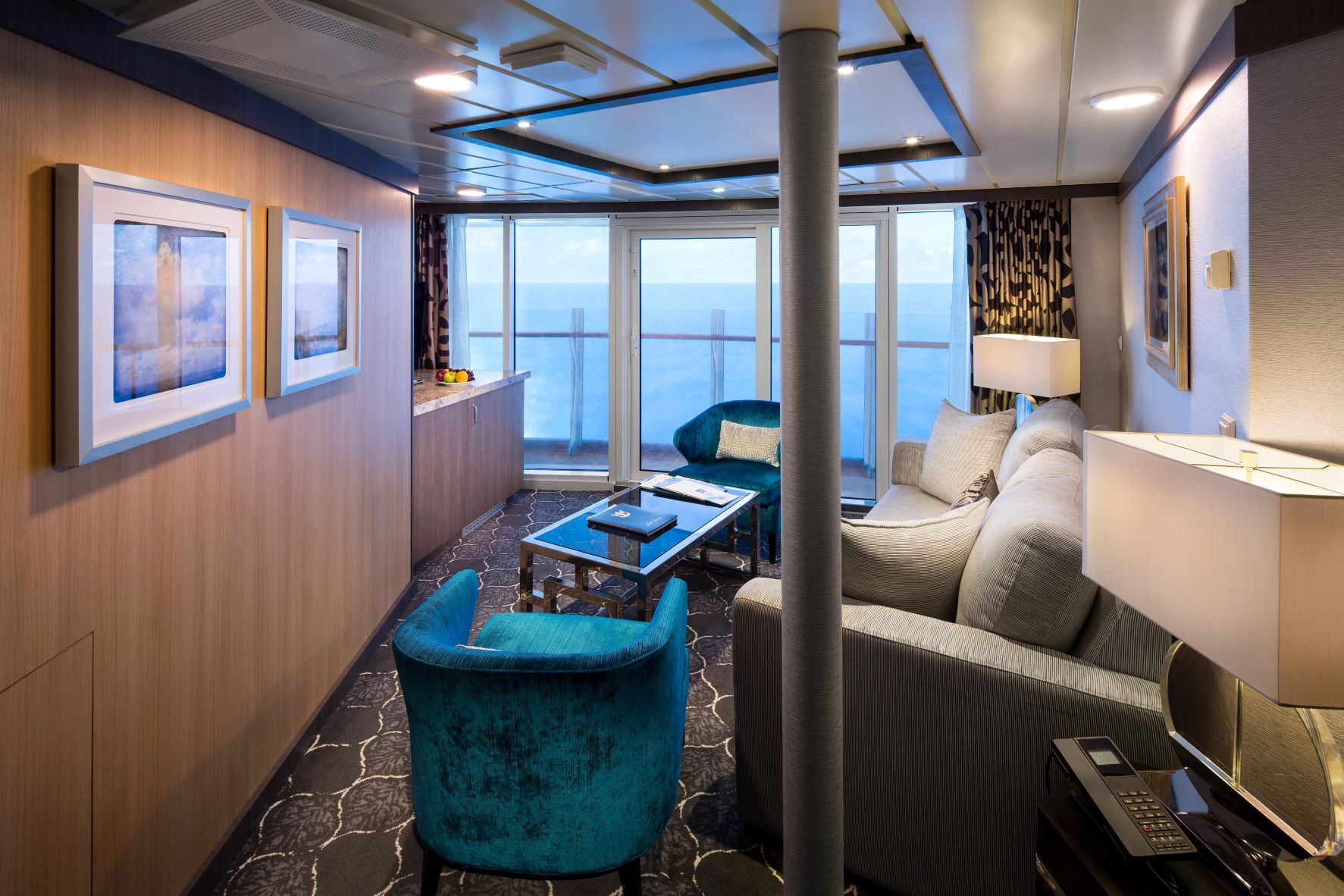
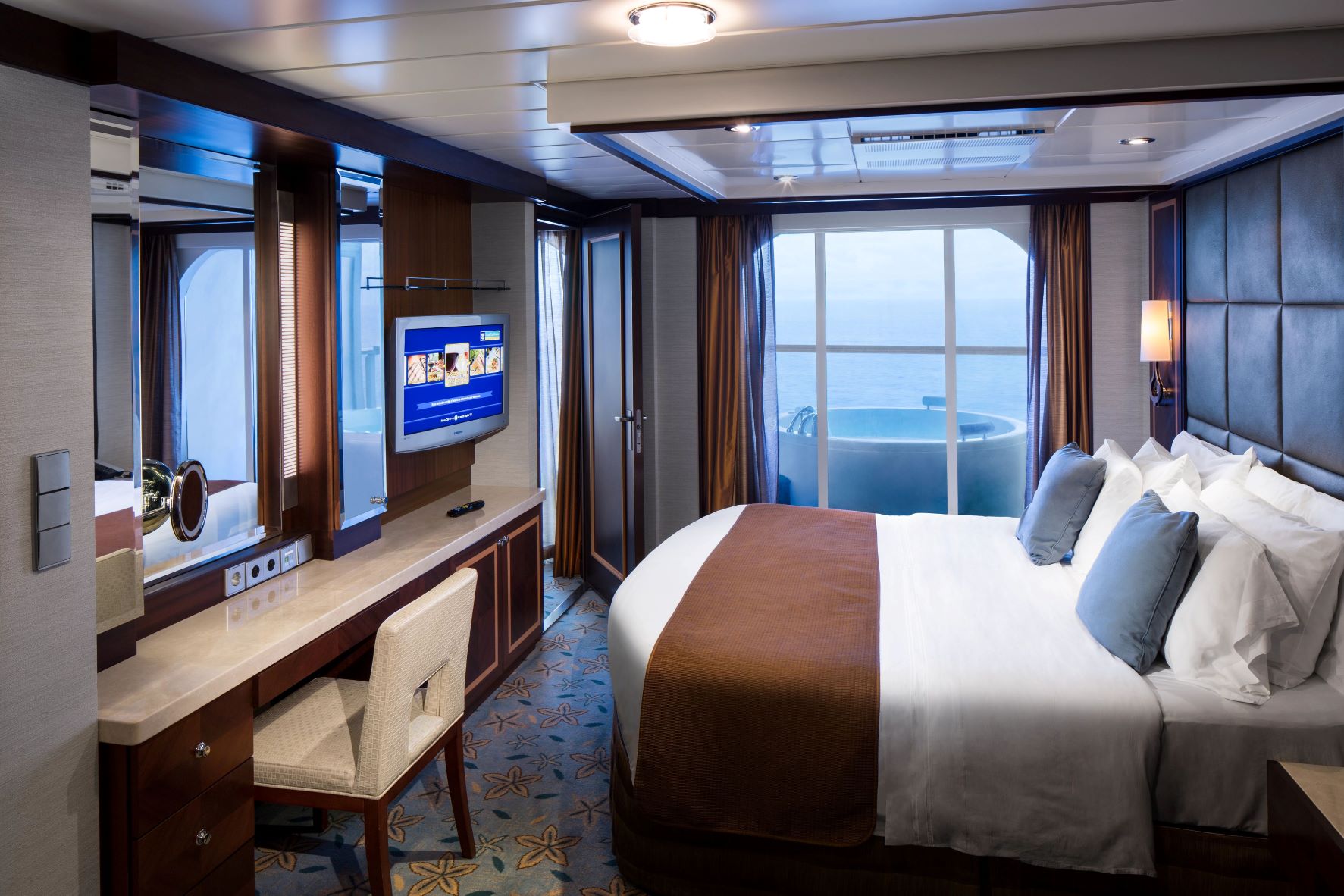
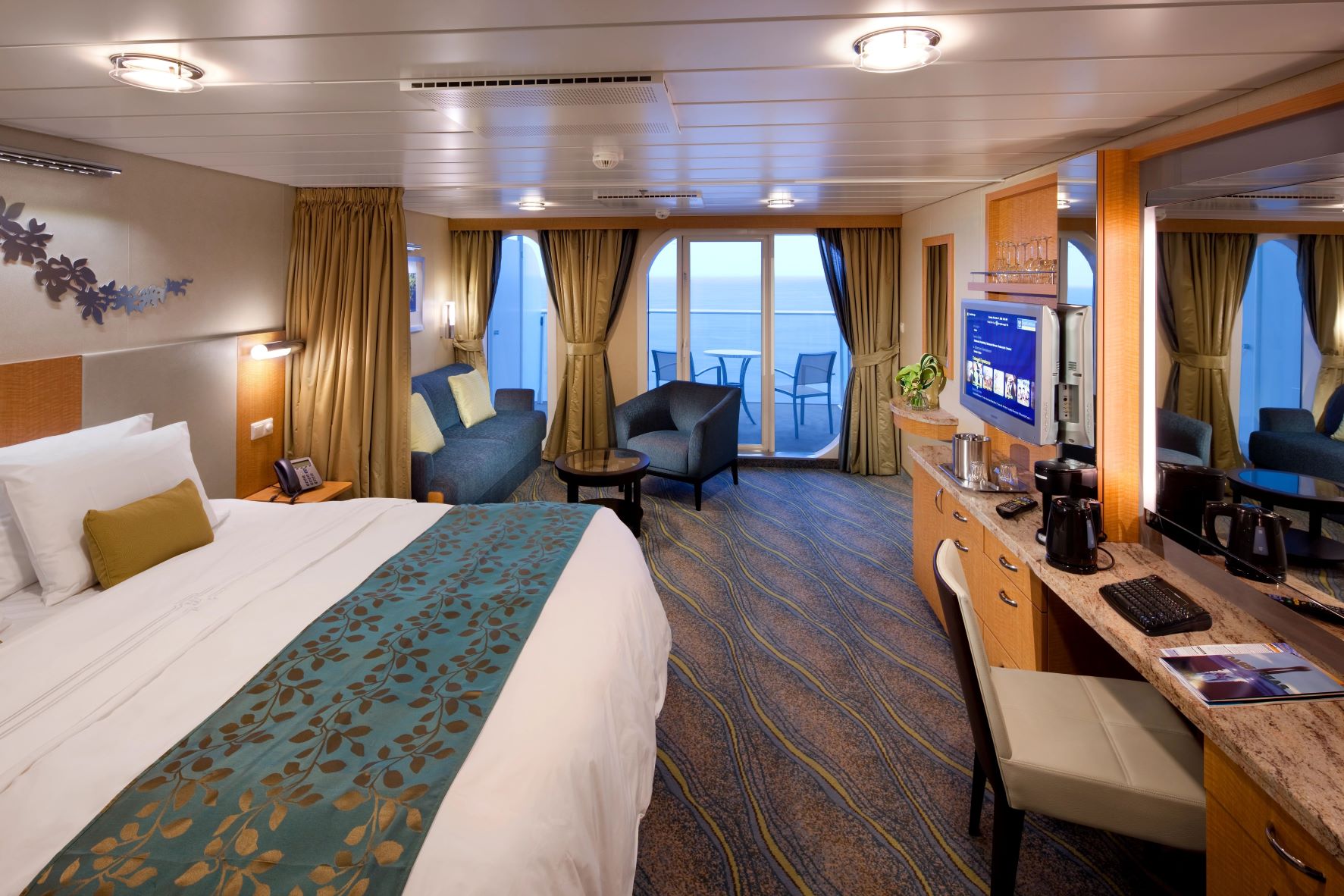
PLEASE NOTE: To attend the conference, participants must book their cruise accommodations through Continuing Education, Inc. This ensures we can provide full conference services and complimentary social amenities to meeting participants and guests. Participants' family and friends are welcome to book within our group allotment to take advantage of our typically excellent rates. Thanks for your cooperation. We look forward to welcoming you aboard!
BIAS FREE CME - No Commercial Support was provided for this CME activity.