PLEASE NOTE: To attend the conference, participants must book their cruise accommodations through Continuing Education, Inc. This ensures we can provide full conference services and complimentary social amenities to meeting participants and guests. Participants' family and friends are welcome to book within our group allotment to take advantage of our typically excellent rates. Thanks for your cooperation. We look forward to welcoming you aboard!
BIAS FREE CME - No Commercial Support was provided for this CME activity.
Faculty
Herdley O. Paolini, Ph.D., L.P
Herdley O. Paolini, Ph.D., L.P., gained national attention by creating the first-of-its-kind holistic physician integrative wellness program designed to counteract physician burnout and foster physician resiliency, well-being, and leadership development to support the patient-care mission of the Advent Health care organization. She subsequently left Advent Health after 12 years as director of Physician Support Services to share the program she created there with medical staffs and health systems across the nation. She is the Founder and President of The Institute for Physician Integration.
She has been engaged by several health systems for consultations, including the Mayo Health System, Wisconsin; Centura Health, Colorado; Loma Linda Medical Center, California; St. Helena Health System, California; Tampa General Hospital, Florida; Baylor, Scott & White, Texas; Orlando Health, Florida; Wentworth-Douglas Hospital & Concord Hospital, New Hampshire; Nemours Pediatric Hospital, Florida & Delaware, Spectrum Lakeland, Michigan, Summa Health, Ohio, Akron Children's Hospital, Ohio.
Dr. Paolini is a licensed psychologist, teacher, and author of Inside the Mind of a Physician, published in 2009 by the Florida Hospital Press. She also has authored numerous articles and academic papers and is lead author of Healers in Need of Healing cannot Heal, recently published by Medscape, a multi-specialty online journal serving physicians and other medical professionals.
She earned her doctorate from Western Michigan University, and she has 30 + years of experience influencing change through coaching, psychotherapy, CME curriculum, leadership development, and creative programing at both the individual and organizational levels.
Timothy Spruill, MA, EdD
AdventHealth Medical Staff, Dept of Psychiatry
Founding Member of the Faculty of the Emergency Medicine Residency Program, AdventHealth East Orlando
Timothy Spruill earned his M.A. in Counseling Psychology (George Mason University, 1977). After 4 years teaching undergraduate psychology, he worked in a private psychiatric hospital while pursuing his Ed.D. In Counselor Education & Counseling Psychology (Western Michigan University, 1992). Following three years as a rehabilitation psychologist, he was appointed Associate Professor in Counseling Psychology at Andrews University. In 1998 he became the first Behavioral Medicine faculty member at AdventHealth"s Osteopathic Family Medicine residency. After joining the medical staff (Psychiatry Department) in 2001, he became a consultant to the E.D. which ultimately lead to the clinical examination of approximately 4000 suicidal patients over the following 15 years. His role was to assess their imminent risk of self-harm and recommend disposition. Drawing on this expertise, he began conducting day-long training seminars on the ethical assessment and treatment of suicidal patients for mental health professionals in 2010. Since that time, he has presented in 100 cities in 37 states. As a direct result of his extensive consultation in the E.D., In 2007 he was the first psychologist nationally to be invited to join the Emergency Medicine residency faculty. He currently has clinical appointments at three Florida Medical schools and ten scholarly publications. Motivated by his belief that the future of counseling involves integrating services into primary care, in August of 2014, he created an internship program embedded in the Primary Care residency clinic for University of Central Florida graduate students in the Mental Health Counseling Marriage, Couple and Family Therapy Master"s Degree Program. He has maintained his FL license as a Psychologist since 2002.
Accreditation
In support of improving patient care, Continuing Education, Inc./University at Sea® is jointly accredited by the Accreditation Council for Continuing Medical Education (ACCME), the Accreditation Council for Pharmacy Education (ACPE), and the American Nurses Credentialing Center (ANCC), to provide continuing education for the healthcare team.
Credit Designation for Physicians: Continuing Education, Inc. designates this live activity for 14 AMA PRA Category 1 Credits™. Physicians should claim only the credit commensurate with the extent of their participation in the activity.
Osteopathic Physicians: This program is eligible for Category 2 credit with the American Osteopathic Association (AOA).
Credit Designation for Nurses: Continuiung Education, Inc. designates this continuing nursing education activity for 14 contact hours. Accredited status does not imply endorsement by Continuing Education, Inc./University at Sea® or ANCC of any commercial products displayed or used with an activity.
Royal College of Physicians and Surgeons of Canada: Through an agreement between the Accreditation Council for Continuing Medical Education and the Royal College of Physicians and Surgeons of Canada, medical practitioners participating in the Royal College MOC Program may record completion of accredited activities registered under the ACCME’s “CME in Support of MOC” program in Section 3 of the Royal College’s MOC Program.
Credit Designation for Pharmacists: This knowledge-based activity is approved for 14 hours of pharmacy continuing education credit.
ITINERARY
DATE
PORT OF CALL
ARRIVE
DEPART
Sat Sep 12
Barcelona, Spain
-
4:00 pm
Sun Sep 13
Marseille (Provence), France
7:00 am
4:00 pm
Mon Sep 14
Livorno (Florence/Pisa), Italy
8:00 am
8:00 pm
Tue Sep 15
Civitavecchia (Rome), Italy
7:00 am
7:00 pm
Wed Sep 16
Naples (Pompeii/Amalfi), Italy
8:00 am
6:00 pm
Thu Sep 17
Strait of Messina
-
-
Fri Sep 18
Kekirka, Nisos Kekirka (Corfu), Greece
8:00 am
5:00 pm
Sat Sep 19
Dubrovnik, Croatia
8:00 am
9:00 pm
Sun Sep 20
Bay of Kotor
-
-
Sun Sep 20
Kotor, Montenegro
8:00 am
3:00 pm
Mon Sep 21
Zadar, Croatia
10:00 am
7:00 pm
Tue Sep 22
Trieste (Venice), Italy
7:00 am
-
Wed Sep 23
Trieste (Venice), Italy
-
-
PORTS OF CALL
Barcelona, Spain
Barcelona is not merely a starting point for your cruise; it is a world-class destination in its own right. To treat it as just a place to board your ship is to miss one of Europe’s most dynamic and culturally rich cities. We strongly recommend arriving two or three days early. This buffer not only mitigates the stress of potential travel delays but transforms the beginning of your vacation from a logistical chore into a deep cultural immersion. The city’s energy, a unique blend of Spanish passion and Catalan pride, is something best absorbed without the pressure of a ticking clock.
Upon arrival at Barcelona-El Prat Airport (BCN), reaching the city center is straightforward. The Aerobus offers a direct and efficient connection to key points like Plaça de Catalunya. Taxis are readily available and provide door-to-door convenience, while the RENFE train is a cost-effective option connecting to the city's metro system. For your stay, consider basing yourself in the atmospheric Barri Gòtic (Gothic Quarter) for its historic charm, the trendy El Born for its boutique and culinary scene, or the elegant Eixample district for its grand avenues and proximity to Modernista architecture.
To make the most of your time, consider this unhurried two-day itinerary:
**Day 1: The Genius of Gaudí & Modernisme**
Begin your day at the Sagrada Família, Antoni Gaudí's breathtaking and still-unfinished basilica. This is the city’s most iconic landmark for good reason. The experience of standing inside, as sunlight filters through the stained-glass windows and illuminates the forest-like columns, is unforgettable. A word of practical advice: booking tickets online weeks, or even months, in advance is not just a suggestion, it is essential to avoid disappointment.
From there, take a leisurely stroll or a short metro ride to Passeig de Gràcia, Barcelona’s most elegant boulevard. Here you’ll find the “Block of Discord,” a single block showcasing wildly different styles by the city's top Modernista architects. The highlights are Gaudí’s Casa Batlló, with its skeletal balconies and dragon-scaled roof, and Casa Milà (La Pedrera), whose undulating stone façade resembles a seaside cliff. While you can tour the interiors, simply admiring them from the outside is a rewarding experience in itself. The Eixample neighborhood offers a wealth of excellent restaurants for an evening meal, from traditional Catalan cuisine to innovative fine dining.
**Day 2: Old World Labyrinths & Artistic Soul**
Dedicate your morning to the Barri Gòtic. This is the heart of old Barcelona, a captivating labyrinth of narrow medieval streets opening onto quiet plazas. Let yourself get lost. You will inevitably stumble upon the magnificent Barcelona Cathedral, the secluded and poignant Plaça de Sant Felip Neri, and remnants of the ancient Roman walls.
For lunch, immerse yourself in the sensory explosion of the Mercat de la Boqueria, just off the famous La Rambla. While the front stalls cater heavily to tourists, venture deeper to find more authentic vendors and small counter-service bars (known as *barras*) serving incredibly fresh seafood and tapas. For a slightly less crowded but equally vibrant alternative, consider the Mercat de Santa Caterina with its distinctive, colorful mosaic roof.
In the afternoon, cross over into the adjacent El Born district. This area is home to the superb Museu Picasso, which houses one of the most extensive collections of the artist's early works (book tickets ahead). Nearby is the stunning Basilica de Santa Maria del Mar, a masterpiece of Catalan Gothic architecture known for its soaring, elegant interior. As evening approaches, El Born comes alive. It’s one of the best areas for a *tapeo* (tapas crawl). Wander from bar to bar, sampling small plates, or try a *pintxos* bar, where you help yourself to bites speared with toothpicks, paying by the number of toothpicks on your plate at the end.
**Embarkation Day**
Enjoy a final, relaxed breakfast at a local café. Depending on your embarkation time, you might have a few hours for a walk along the Barceloneta beachfront or a pre-booked visit to the whimsical Park Güell for panoramic city views. When it’s time to head to the port (Moll Adossat), a taxi is the most direct and hassle-free option, especially with luggage. Alternatively, the blue Portbus (T3) provides shuttle service from the Columbus Monument at the foot of La Rambla. By arriving early, you will board your ship not in a rush, but with a deep appreciation for the Catalan jewel you’ve had the privilege to explore.
Marseille (Provence), France
Marseille is not a polished postcard of Provence; it is something more vital and complex. As France’s oldest city, it offers a raw, energetic, and deeply authentic port experience. The cruise terminals are located in a vast industrial port, so a shuttle or taxi is necessary to reach the city’s heart: the Vieux-Port (Old Port). This bustling U-shaped harbor, alive with fishing boats and lined with cafés, is the perfect starting point. From here, the city unfolds.
For the best views, make the journey up to the Basilique Notre-Dame de la Garde. Perched on the city’s highest point, this Romano-Byzantine basilica offers breathtaking 360-degree panoramas of the terracotta rooftops, the harbor, and the Frioul islands. A small tourist train from the Vieux-Port makes the steep ascent manageable.
Back at sea level, wander into Le Panier, the oldest neighborhood. Its narrow, winding streets are a maze of artisan workshops, hidden squares, and colorful facades that feel a world away from the grand boulevards. For a dose of modern culture, the waterfront Museum of European and Mediterranean Civilisations (MuCEM) is a must-see. Its stunning architecture—a latticework cube connected by a footbridge to the historic Fort Saint-Jean—is as compelling as the exhibits within.
Of course, a day in Marseille is incomplete without considering its signature dish, bouillabaisse. A true bouillabaisse is a multi-course affair and an investment, best enjoyed at a reputable waterfront restaurant. For a more casual taste of Provence, find a café terrace, order a glass of crisp rosé or a cloudy pastis, and simply watch the vibrant life of this ancient Mediterranean crossroads go by.
Livorno (Florence/Pisa), Italy
Livorno is less a destination in itself and more a golden ticket to the heart of Tuscany. The critical decision for your day here is choosing between the artistic grandeur of Florence and the iconic architecture of Pisa, both accessible via a significant journey from the port.
The primary draw is, of course, Florence, the cradle of the Renaissance. A 75- to 90-minute journey by train or coach transports you to a city of overwhelming beauty. A day trip here demands a clear, focused plan. We strongly advise choosing one major museum—either the Uffizi Gallery for its masterpieces by Botticelli and Leonardo, or the Accademia Gallery to stand in awe before Michelangelo's David. Pre-booking tickets is absolutely essential to avoid wasting precious hours in line. Beyond the museums, the city's magic is in its streets. Stroll across the jewelry-laden Ponte Vecchio, marvel at the sheer scale of Brunelleschi's Duomo, and find a small trattoria for an authentic plate of fresh pasta. Always be mindful of the clock; the return journey is just as long.
For a more manageable, yet equally memorable day, Pisa is an excellent choice. The main attraction is the Piazza dei Miracoli, or 'Field of Miracles,' where the legendary Leaning Tower, the magnificent Cathedral, and the Baptistery create an unforgettable architectural ensemble. The experience is more concentrated and less sprawling than Florence, allowing for a more relaxed pace. Many travelers wisely pair Pisa with a visit to nearby Lucca, a beautifully preserved medieval city encircled by intact Renaissance-era walls, perfect for a leisurely walk or bike ride.
Should you prefer to stay local, Livorno offers its own modest charms. Explore the Venezia Nuova district, a network of canals reminiscent of its more famous namesake, or visit the bustling Mercato Centrale for a taste of authentic local life.
Civitavecchia (Rome), Italy
Civitavecchia serves as the maritime gateway to Rome, and it's essential to approach a day here with a clear and realistic plan. The 'Eternal City' is a 60- to 90-minute journey from the port, a commute that requires factoring travel time into your precious hours ashore. The most common and efficient method is the regional train, which connects Civitavecchia's station (a short walk or shuttle from the port) with Rome's key transit hubs. For those seeking more comfort and a direct route to specific sites, pre-booked private transfers are an excellent, albeit more costly, alternative.
With time being the most valuable currency, a successful day in Rome means choosing a focus. Attempting to conquer everything results in a frantic blur. We recommend choosing one of two paths. The first is a deep dive into Ancient Rome: pre-book tickets to explore the staggering scale of the Colosseum, walk through the ruins of the Roman Forum where emperors once stood, and marvel at the architectural genius of the Pantheon. This area is largely walkable and provides a cohesive historical narrative.
Alternatively, focus on the grandeur of Vatican City. Stand in the embrace of Bernini's colonnades in St. Peter's Square and enter the breathtaking St. Peter's Basilica, a monument to faith and art. A visit to the Vatican Museums to see the Sistine Chapel is possible, but requires strict, timed-entry tickets and a significant time commitment that will likely preclude other sightseeing.
Whichever path you choose, build in moments for the simple Roman pleasures that give the city its soul. Find a small piazza, order a quick espresso at a bar, toss a coin in the Trevi Fountain, or savor a scoop of authentic gelato. For those who prefer to avoid the journey altogether, Civitavecchia itself offers a pleasant waterfront, a bustling market, and the impressive Forte Michelangelo, providing a relaxed, local Italian experience.
Naples (Pompeii/Amalfi), Italy
Naples is a port of magnificent, difficult choices, where a single day can only scratch the surface of its profound historical and scenic wealth. The city itself, a UNESCO World Heritage site, is a thrilling paradox of grit and grandeur. Its historic center is a vibrant labyrinth of narrow streets, where Baroque chapels stand beside artisan workshops and the world’s most revered pizzerias. For a focused urban experience, visit the National Archaeological Museum, an essential stop housing the most significant artifacts recovered from Pompeii and Herculaneum. Then, walk the Spaccanapoli, the ancient street that splits the city, to feel its chaotic, unapologetic pulse.
However, for most, Naples is the gateway to legendary surroundings. The primary decision is which world to enter. The archaeological sites of Pompeii and Herculaneum offer an unparalleled window into Roman life, frozen in time by the eruption of Mount Vesuvius in 79 A.D. Pompeii is a vast, sprawling city that requires significant walking but rewards with iconic sights like the forum and amphitheater. Herculaneum, its smaller neighbor, was buried in mud rather than ash, resulting in astonishingly well-preserved two-story buildings and organic materials like wood and cloth. It is more compact and can be less overwhelming for a short visit.
Alternatively, the siren call of the coast is undeniable. A drive along the Amalfi Coast is one of Europe’s most spectacular journeys, linking cliff-hugging towns like Positano and Amalfi. Be advised, this is a full-day commitment involving significant travel time and potential traffic. For a more relaxed coastal experience, consider Sorrento, a charming town perched on cliffs overlooking the bay, famous for its lemon groves and inlaid woodwork. From here, or from Naples' port itself, the island of Capri is a short ferry ride away, offering glamorous boutiques, stunning gardens, and the famed Blue Grotto. Prioritizing is key; whether you choose ancient ruins, coastal splendor, or urban immersion, Naples delivers an unforgettable Italian experience.
Strait of Messina
Sailing through the Strait of Messina is less a port call and more a live-action lesson in mythology, geography, and natural history. This is a moment to find a spot on an open deck, perhaps with a coffee or a glass of wine, and simply watch the world unfold. This legendary channel, separating Sicily from mainland Italy, is where ancient mariners imagined the sea monsters Scylla and Charybdis lurking. As your ship navigates the narrowest point—less than two miles wide—you can almost feel that ancient tension.
The visual drama is undeniable. On one side, the rugged hills of Calabria; on the other, the bustling city of Messina and the Sicilian coastline. The two shores feel close enough to touch, dotted with towns and the occasional castle ruin. Look for the two massive, decommissioned electrical pylons that stand like modern colossi guarding the passage, a fascinating juxtaposition of ancient myth and 20th-century engineering.
But the real magic is often in the life that uses this strait as a natural highway. It’s one of Europe's most vital bird migration corridors. In spring, the sky can fill with thousands of raptors and storks, a truly breathtaking spectacle for which you’ll want binoculars. The deep, nutrient-rich waters also attract marine life, and while sightings are never guaranteed, spotting a pod of dolphins or even the fluke of a whale is a distinct possibility. This isn't a stop for sightseeing tours; the passage *is* the sight. It’s a powerful, memorable experience that connects you to the timeless rhythm of the Mediterranean.
Kekirka, Nisos Kekirka (Corfu), Greece
Corfu distinguishes itself from its Cycladic cousins with a lush, cypress-studded landscape and a palpable Venetian grace. Its heart is the UNESCO-listed Old Town, a captivating labyrinth of pastel-hued buildings and narrow cobblestone alleys known as kantounia. This is one of the most rewarding and easily walkable port areas in the Mediterranean. Guarding the town are two formidable fortresses: the Old Fortress (Palaio Frourio), reached by a bridge over a seawater moat, offers commanding views of the Ionian Sea, while the New Fortress (Neo Frourio) provides a stunning panorama over the terracotta rooftops.
For those venturing further, the island reveals its diverse character. A drive can lead to the Achilleion Palace, the neoclassical retreat of Empress Sisi of Austria, filled with classical statues and terraced gardens overlooking the coast. Alternatively, the west coast beckons with Paleokastritsa, a breathtaking series of emerald-and-sapphire coves watched over by a serene 13th-century monastery—the island’s postcard-perfect scenic escape.
Back in town, the elegant, French-inspired Liston arcade is the ideal spot for a coffee, and the sprawling Spianada Square invites a leisurely stroll. The local cuisine reflects its layered history, with Italian-influenced dishes like pastitsada and the island’s signature kumquat liqueur offering a true taste of place. Corfu delivers a refined European island experience, blending grand history with stunning natural beauty.
Dubrovnik, Croatia
Dubrovnik is not merely a backdrop; it is a complete, immersive historical experience. The moment you see the formidable stone walls rising from the Adriatic, you understand its acclaim as the ‘Pearl of the Adriatic.’ The main cruise port at Gruž is a short bus or taxi ride from the Pile Gate, the primary entrance to the pedestrian-only Old Town, a UNESCO World Heritage site.
Once inside, the city unfolds along the Stradun, a wide, limestone-paved thoroughfare. While it’s tempting to follow the crowds to landmarks like the Rector’s Palace or the Franciscan Monastery, the real magic lies in exploring the labyrinth of narrow side streets and quiet courtyards. Two experiences, however, are truly essential for a day visit.
First, walk the city walls. We recommend going as early as possible or later in the afternoon to avoid the intense midday sun and the peak crowds that can make the circuit feel congested. The two-kilometer loop provides unparalleled, evolving views of the terracotta rooftops, the shimmering sea, and the nearby islands. Second, take the cable car to the summit of Mount Srđ. The panoramic vista from the top puts the city's magnificent geography into perspective and is unforgettable.
For a more active perspective, a sea kayaking tour offers a unique view of the city's scale from the water. While its recent screen fame is a popular draw, Dubrovnik’s true identity is that of the resilient Republic of Ragusa, a maritime power that has been meticulously restored. It is a world-class destination where strategic timing is the key to fully appreciating its splendor.
Bay of Kotor
This is not a morning to sleep in. We advise our clients to be on deck, coffee in hand, as the ship approaches the entrance to the Bay of Kotor. What unfolds over the next hour or two is one of the most magnificent scenic cruising experiences in Europe. Often called the continent's southernmost fjord, the bay is technically a submerged river canyon, but the visual effect is breathtaking: sheer limestone cliffs of the Dinaric Alps plunge directly into the deep, sapphire-blue Adriatic. The water is often so still it creates a perfect, mirror-like reflection of the mountains towering above.
As your ship navigates the narrow Verige Strait, the bay opens into an inner sanctum of history and beauty. You'll glide past the storybook village of Perast, its stone palazzos and bell towers clinging to the shore. Just offshore, the iconic islets of Our Lady of the Rocks and St. George seem to float on the water, their chapels adding a touch of spiritual grace to the immense landscape. In the distance, you'll begin to see the ancient walls of Kotor itself, scrambling impossibly up the mountainside toward the Fortress of San Giovanni.
Every turn reveals a new composition, so keep your camera ready. A pair of binoculars is highly recommended for spotting details on the churches and the small fishing boats that ply the waters. The slow, deliberate pace of the ship allows you to truly absorb the scale and tranquility of this UNESCO World Heritage site. It’s a journey, not just an arrival, and a genuine highlight of any Adriatic itinerary.
Kotor, Montenegro
The arrival into Kotor is an event in itself. The deep, fjord-like Bay of Kotor is a dramatic waterway flanked by steep, dark mountains, and the sail-in provides a stunning introduction to one of the Adriatic's most remarkable destinations. Once ashore, you step directly into the Stari Grad (Old Town), a UNESCO World Heritage site and a wonderfully preserved labyrinth of cobblestone lanes, hidden squares, and Venetian-era architecture.
The town is entirely encircled by formidable medieval walls that snake their way up the adjoining mountain. For the physically active, the port's signature experience is the strenuous but rewarding climb up the 1,350 steps to the Fortress of San Giovanni. The panoramic view from the top—looking down on the triangular Old Town, the bay, and the docked ships—is one of the most iconic in the Mediterranean. We recommend tackling this in the morning to avoid the midday sun and crowds.
For those preferring a more relaxed day, the Old Town itself is the main attraction. It’s a place to wander without a fixed agenda. You can visit the 12th-century Cathedral of Saint Tryphon, browse the small shops, and observe the town's famous feline residents. The true pleasure of Kotor lies in finding a quiet piazza, ordering a coffee or a glass of local Vranac wine, and simply absorbing the historic atmosphere. For a change of scenery, a short boat or taxi ride to the impossibly picturesque village of Perast offers a quieter, equally beautiful alternative.
Zadar, Croatia
Zadar offers a compelling slice of Dalmatian life, distinct from its more famous neighbors. Its charm lies not in overwhelming monuments but in a rich history seamlessly blended with innovative public art. The city's heart is its compact, marble-paved Old Town, a peninsula filled with Roman ruins, medieval churches, and lively cafes.
The main draw is the magnificent seaside promenade, the Riva. Here you'll find Zadar's two most unique attractions. The Sea Organ is an architectural sound art object; listen as the waves push air through underwater pipes, creating a hauntingly beautiful, ever-changing melody. Steps away, the Greeting to the Sun is a massive, sun-powered glass disc that absorbs solar energy during the day to create a dazzling light show after sunset—a fascinating piece of engineering even in daylight.
Beyond the modern marvels, delve into history at the Roman Forum, the largest on the eastern Adriatic coast. Admire the iconic 9th-century St. Donatus Church, a circular pre-Romanesque masterpiece, and consider climbing the bell tower of the adjacent St. Anastasia's Cathedral for panoramic views of the red-tiled roofs and the shimmering archipelago.
The Old Town is easily explored on foot. Wander its narrow streets, discover hidden courtyards, and enjoy a coffee on the bustling People's Square (Narodni Trg). While the famous Krka and Plitvice Lakes national parks are in the region, reaching them requires a full-day commitment and is best done via a structured excursion due to the travel time. For a day in port, Zadar's peninsular core offers more than enough to create a memorable and relaxed Croatian experience.
Trieste (Venice), Italy
Trieste is not a substitute for Venice; it is a destination with its own proud, distinct identity. Where Venice is quintessentially Italian, Trieste feels more like a seaside Vienna, a legacy of its long history as the primary port of the Austro-Hungarian Empire. This Hapsburg influence is immediately apparent in the city’s magnificent centerpiece, Piazza Unità d'Italia. As one of Europe’s largest squares opening directly onto the sea, its perimeter is lined with grand neoclassical buildings and historic literary cafés where figures like James Joyce once wrote.
A short journey along the coast leads to the fairytale Castello di Miramare, the seaside residence of Archduke Ferdinand Maximilian. Its lush gardens and preserved 19th-century interiors offer a fascinating glimpse into royal life. Back in the city, you can explore the remains of a Roman theatre, wander along the charming Canal Grande, and climb San Giusto Hill for panoramic views from its cathedral and castle.
Trieste is the undisputed capital of Italian coffee culture, home to the Illy brand. No visit is complete without savoring a cappuccino or an espresso in a historic café like Caffè degli Specchi. For those determined to see Venice, a day trip is feasible but requires careful planning. The train journey is approximately two hours each way, which makes for a long and potentially rushed day. A more rewarding approach is often to embrace Trieste itself—to enjoy the uncrowded elegance of its streets and appreciate a corner of Italy that feels entirely unique.
Holland America's Oosterdam
PLEASE NOTE: To attend the conference, participants must book their cruise accommodations through Continuing Education, Inc. This ensures we can provide full conference services and complimentary social amenities to meeting participants and guests. Participants' family and friends are welcome to book within our group allotment to take advantage of our typically excellent rates. Thanks for your cooperation. We look forward to welcoming you aboard!
Prices below are for the full cruise including meals and evening entertainment
Suite/Deluxe
Neptune Suite (SA)
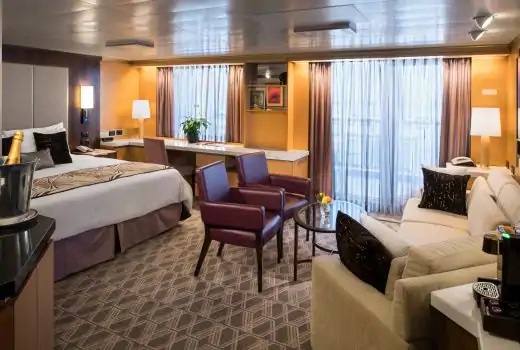
With floor-to-ceiling windows overlooking a private verandah, these spacious suites are flooded with light. They feature a large sitting area and two lower beds convertible to one king-size bed—our signature Mariner's Dream™ bed with plush Euro-Top mattresses. The bathroom comes with a dual-sink vanity, full-size whirlpool bath and shower, plus additional shower stall. Amenities include use of the exclusive Neptune Lounge, a private concierge and an array of complimentary services. Stateroom: 1,150 sq. ft. including verandah.
6,674.00 per person
Third/Fourth $2,524.00
Price above includes Taxes.
Call: 800-422-0711 and we'll find the best value for you.
Signature Suite (SS)
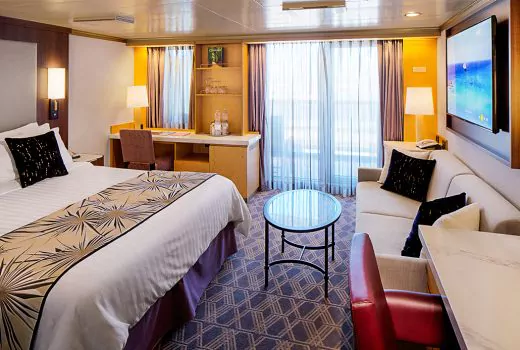
These large, comfortable suites feature a spacious sitting area with floor-to-ceiling windows overlooking a private verandah, two lower beds convertible to one king-size bed—our signature Mariner's Dream™ bed with plush Euro-Top mattresses, and one murphy bed for one person. The bathroom includes a dual-sink vanity, full-size whirlpool bath and shower, and an additional shower stall. Stateroom: 372-384 sq. ft. including verandah.
5,074.00 per person
Third/Fourth $2,524.00
Price above includes Taxes.
Call: 800-422-0711 and we'll find the best value for you.
Suite/DeluxeNeptune Suite (SB) With floor-to-ceiling windows overlooking a private verandah, these spacious suites are flooded with light. They feature a large sitting area and two lower beds convertible to one king-size bed—our signature Mariner's Dream™ bed with plush Euro-Top mattresses. The bathroom comes with a dual-sink vanity, full-size whirlpool bath and shower, plus additional shower stall. Amenities include use of the exclusive Neptune Lounge, a private concierge and an array of complimentary services. Stateroom: 1,150 sq. ft. including verandah.
Suite/DeluxeNeptune Suite (SC) With floor-to-ceiling windows overlooking a private verandah, these spacious suites are flooded with light. They feature a large sitting area and two lower beds convertible to one king-size bed—our signature Mariner's Dream™ bed with plush Euro-Top mattresses. The bathroom comes with a dual-sink vanity, full-size whirlpool bath and shower, plus additional shower stall. Amenities include use of the exclusive Neptune Lounge, a private concierge and an array of complimentary services. Stateroom: 1,150 sq. ft. including verandah.
Suite/DeluxeSignature Suite (SY) These large, comfortable suites feature a spacious sitting area with floor-to-ceiling windows overlooking a private verandah, two lower beds convertible to one king-size bed—our signature Mariner's Dream™ bed with plush Euro-Top mattresses, and one murphy bed for one person. The bathroom includes a dual-sink vanity, full-size whirlpool bath and shower, and an additional shower stall. Stateroom: 372-384 sq. ft. including verandah.
Suite/DeluxeSignature Suite (SZ) These large, comfortable suites feature a spacious sitting area with floor-to-ceiling windows overlooking a private verandah, two lower beds convertible to one king-size bed—our signature Mariner's Dream™ bed with plush Euro-Top mattresses, and one murphy bed for one person. The bathroom includes a dual-sink vanity, full-size whirlpool bath and shower, and an additional shower stall. Stateroom: 372-384 sq. ft. including verandah.
Veranda Stateroom (VA)
Filled with light from floor-to-ceiling windows overlooking a private verandah, these staterooms include a sitting area, two lower beds convertible to one queen-size bed—our signature Mariner's Dream™ bed with plush Euro-Top mattresses, and bath tub with premium massage showerheads. Stateroom: 212-359 sq. ft. including verandah.
3,774.00 per person
Third/Fourth $2,324.00
Price above includes Taxes.
Call: 800-422-0711 and we'll find the best value for you.
Veranda Stateroom (VB)
Filled with light from floor-to-ceiling windows overlooking a private verandah, these staterooms include a sitting area, two lower beds convertible to one queen-size bed—our signature Mariner's Dream™ bed with plush Euro-Top mattresses, and bath tub with premium massage showerheads. The view is partially obstructed. Stateroom: 212-359 sq. ft. including verandah.
3,724.00 per person
Third/Fourth $2,324.00
Price above includes Taxes.
Call: 800-422-0711 and we'll find the best value for you.
Veranda Stateroom (VC)
Filled with light from floor-to-ceiling windows overlooking a private verandah, these staterooms include a sitting area, two lower beds convertible to one queen-size bed—our signature Mariner's Dream™ bed with plush Euro-Top mattresses, and bath tub with premium massage showerheads. The view is partially obstructed. Stateroom: 212-359 sq. ft. including verandah.
3,674.00 per person
Third/Fourth $2,324.00
Price above includes Taxes.
Call: 800-422-0711 and we'll find the best value for you.
Veranda Stateroom (VD)
Filled with light from floor-to-ceiling windows overlooking a private verandah, these staterooms include a sitting area, two lower beds convertible to one queen-size bed—our signature Mariner's Dream™ bed with plush Euro-Top mattresses, and bath tub with premium massage showerheads. The view is partially obstructed. Stateroom: 212-359 sq. ft. including verandah.
3,624.00 per person
Third/Fourth $2,324.00
Price above includes Taxes.
Call: 800-422-0711 and we'll find the best value for you.
Veranda Stateroom (VE)
Filled with light from floor-to-ceiling windows overlooking a private verandah, these staterooms include a sitting area, two lower beds convertible to one queen-size bed—our signature Mariner's Dream™ bed with plush Euro-Top mattresses, and bath tub with premium massage showerheads. The view is partially obstructed. Stateroom: 212-359 sq. ft. including verandah.
3,574.00 per person
Third/Fourth $2,324.00
Price above includes Taxes.
Call: 800-422-0711 and we'll find the best value for you.
Veranda Stateroom (VF)
Filled with light from floor-to-ceiling windows overlooking a private verandah, these staterooms include a sitting area, two lower beds convertible to one queen-size bed—our signature Mariner's Dream™ bed with plush Euro-Top mattresses, and bath tub with premium massage showerheads. The view is partially obstructed. Stateroom: 212-359 sq. ft. including verandah.
3,527.00 per person
Third/Fourth $2,324.00
Price above includes Taxes.
Call: 800-422-0711 and we'll find the best value for you.
BalconyVeranda Stateroom (VH) Filled with light from floor-to-ceiling windows overlooking a private verandah, these staterooms include a sitting area, two lower beds convertible to one queen-size bed—our signature Mariner's Dream™ bed with plush Euro-Top mattresses, and bath tub with premium massage showerheads. The view is partially obstructed. Stateroom: 212-359 sq. ft. including verandah.
Oceanview Stateroom (C)
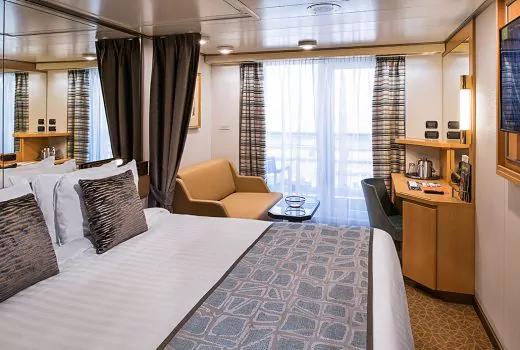
These expansive staterooms include include two lower beds convertible to one queen-size bed—our Signature Mariner's Dream™ bed with plush Euro-Top mattresses, premium massage shower heads, a host of amenities and an ocean view. The configuration of staterooms may vary from the images shown. Stateroom: 174-180 sq. ft.
3,024.00 per person
Third/Fourth $2,124.00
Price above includes Taxes.
Call: 800-422-0711 and we'll find the best value for you.
OutsideOceanview Stateroom (D) These expansive staterooms include include two lower beds convertible to one queen-size bed—our Signature Mariner's Dream™ bed with plush Euro-Top mattresses, premium massage shower heads, a host of amenities and an ocean view. The configuration of staterooms may vary from the images shown. Stateroom: 174-180 sq. ft.
OutsideOceanview Stateroom (DD) These expansive staterooms include include two lower beds convertible to one queen-size bed—our Signature Mariner's Dream™ bed with plush Euro-Top mattresses, premium massage shower heads, a host of amenities and an ocean view. The configuration of staterooms may vary from the images shown. Stateroom: 174-180 sq. ft.
OutsideOceanview Stateroom (E) These expansive staterooms include include two lower beds convertible to one queen-size bed—our Signature Mariner's Dream™ bed with plush Euro-Top mattresses, premium massage shower heads, a host of amenities and an ocean view. The configuration of staterooms may vary from the images shown. Stateroom: 174-180 sq. ft.
OutsideOceanview Stateroom (F) These expansive staterooms include include two lower beds convertible to one queen-size bed—our Signature Mariner's Dream™ bed with plush Euro-Top mattresses, premium massage shower heads, a host of amenities and an ocean view. The configuration of staterooms may vary from the images shown. Stateroom: 174-180 sq. ft.
OutsideOceanview Stateroom / Partial Seaview (G) These staterooms feature a partial sea view and include two lower beds convertible to one queen-size bed—our signature Mariner's Dream™ bed with plush Euro-Top mattresses, plus premium massage shower heads and a variety of amenities. The configuration of staterooms may vary from the images shown. Stateroom: 174-180 sq. ft.
OutsideOceanview Stateroom / Fully Obstructed View (H) These large staterooms include two lower beds convertible to one queen-size bed—our Signature Mariner's Dream™ bed with plush Euro-Top mattresses, premium massage shower heads and a host of amenities. The view is fully obstructed. The configuration of staterooms may vary from the images shown. Stateroom: 174-180 sq. ft.
OutsideOceanview Stateroom / Fully Obstructed View (HH) These large staterooms include two lower beds convertible to one queen-size bed—our Signature Mariner's Dream™ bed with plush Euro-Top mattresses, premium massage shower heads and a host of amenities. The view is fully obstructed. The configuration of staterooms may vary from the images shown. Stateroom: 174-180 sq. ft.
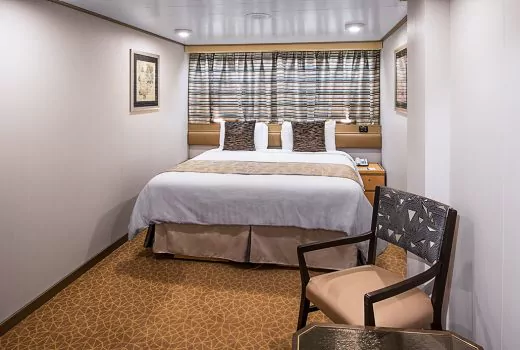
Inside Stateroom (I)
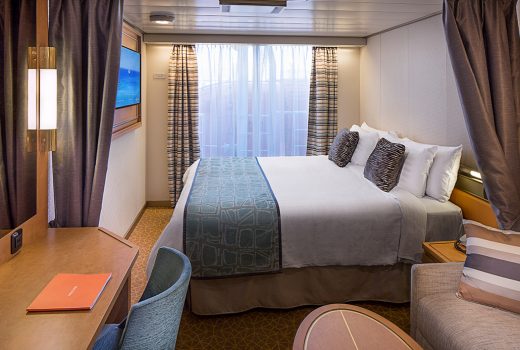
Two lower beds convertible to one queen-size bed — our signature Mariner's Dream™ bed with plush Euro-Top mattresses, premium massage shower heads and a host of amenities are featured in these comfortable staterooms. Stateroom: 151-233 sq. ft.
2,784.00 per person
Third/Fourth $1,924.00
Price above includes Taxes.
Call: 800-422-0711 and we'll find the best value for you.
Inside Stateroom (J)
Two lower beds convertible to one queen-size bed — our signature Mariner's Dream™ bed with plush Euro-Top mattresses, premium massage shower heads and a host of amenities are featured in these comfortable staterooms. Stateroom: 151-233 sq. ft.
2,764.00 per person
Third/Fourth $1,924.00
Price above includes Taxes.
Call: 800-422-0711 and we'll find the best value for you.
Inside Stateroom (L)
Two lower beds convertible to one queen-size bed — our signature Mariner's Dream™ bed with plush Euro-Top mattresses, premium massage shower heads and a host of amenities are featured in these comfortable staterooms. Stateroom: 151-233 sq. ft.
2,724.00 per person
Third/Fourth $1,924.00
Price above includes Taxes.
Call: 800-422-0711 and we'll find the best value for you.
InsideInside Stateroom (K) Two lower beds convertible to one queen-size bed — our signature Mariner's Dream™ bed with plush Euro-Top mattresses, premium massage shower heads and a host of amenities are featured in these comfortable staterooms. Stateroom: 151-233 sq. ft.
InsideInside Stateroom (M) Two lower beds convertible to one queen-size bed — our signature Mariner's Dream™ bed with plush Euro-Top mattresses, premium massage shower heads and a host of amenities are featured in these comfortable staterooms. Stateroom: 151-233 sq. ft.
InsideInside Stateroom (MM) Two lower beds convertible to one queen-size bed — our signature Mariner's Dream™ bed with plush Euro-Top mattresses, premium massage shower heads and a host of amenities are featured in these comfortable staterooms. Stateroom: 151-233 sq. ft.
InsideInside Stateroom (N) Two lower beds convertible to one queen-size bed — our signature Mariner's Dream™ bed with plush Euro-Top mattresses, premium massage shower heads and a host of amenities are featured in these comfortable staterooms. Stateroom: 151-233 sq. ft.
We're committed to finding the best value for you.
Port Charges, Taxes & Fees of 205.00 are included in the per person fares displayed above.
A deposit of 350.00 per person is due to reserve your stateroom.
3rd/4th in Stateroom - Please call to secure the best possible pricing
Cruise pricing is presented per person, based double occupancy of the stateroom, following industry practice. Pricing presented above is listed accordingly to allow easy comparison for the stateroom categories displayed. Our agents always provide 'total cost' pricing disclosing all particulars before you make any commitment.
COMPETITIVE PRICING PROMISE: We will match any price currently offered by the cruise line; this promise includes their short-term, promotional rates. As a value-added organizer of meetings at sea, however, we do not seek to compete with 'cruise discounters,' 'travel clubs,' or 'distressed inventory' sales operations.
PRICING SUBJECT TO CHANGE:
Because this sailing is departing soon, no fares are displayed above; Call us to request a quote of current, market-rate fares. Those fares, the same as offered directly by the cruise line, are subject to change at any time until held with a deposit or full payment of the fare. Market rates are capacity and revenue controlled, do fluctuate, and can be withdrawn without notice.
CANCELLATION PENALTY POLICY WILL APPLY: We recommend Travel Insurance to protect your investment from unexpected, late cancellations.
Cruise Cancellation Policy:Late Cancellation policies vary by cruise line, itinerary and length of cruise. When reserving your stateroom, please congirm the policy applicable to this cruise with one of our agents.
Course Fee Cancellation Policy: 30+ days before sailing date - 75% Refund ; 7-29 days before sailing date - 50% Refund; Less than 7 days before sailing date - No Refund
FUEL SUPPLEMENT: During periods of unusual oil price volatility, cruiselines may implement a fuel surcharge at any time prior to sailing.
Protect Your Trip with Allianz Travel Insurance
Allianz Travel Insurance plans can give you flexibility and support when your trip doesn’t go quite as planned. From unexpected flight issues to covered trip cancellations, travel emergencies, and more, travel insurance can help you manage unforeseen events that may impact your trip—giving you peace of mind from the moment you book your trip through your return home.
For an instant quote:
Simply provide a few short details about your trip
Whether you’re planning your next trip or you recently booked one, travel insurance can help smooth over many unexpected travel glitches—while putting your mind at ease, knowing you’re off the hook for covered expenses that could arise from them.
Allianz Travel Insurance plans can provide you benefits and professional support when a covered situation comes up before or during your trip. The following examples may qualify for benefits:
Cancelling your trip after unexpectedly becoming too sick to travel
Taking care of a sick or injured traveling companion
Having to end your trip early due to a family emergency
Dealing with a flight delay or cancellation
Needing to buy personal items if your luggage is lost or stolen
Missing your cruise departure after a covered flight delay
You also can contact our travel protection partner Allianz Global Assistance’s 24/7, award-winning customer service for on-the-go assistance with issues like a medical emergency, replacing your lost passport, or making reservations around the world. To be eligible for a time-sensitive waiver of pre-existing medical condition exclusions, purchase your travel insurance plan within 14 days of initial trip deposit (other purchase requirements and conditions apply). Specific plan benefits may vary. Please review your plan details for more information.
What Can Travel Insurance Help Protect?
Allianz Travel Insurance plans can protect you before and during your trip—keeping you, your loved ones, and your travel budget safer. Benefits vary by plan, and these are brief descriptions. Please read your plan documents for details.
TRIP CANCELLATION
Reimburses your prepaid, non-refundable travel expenses if you need to cancel your trip due to a covered reason, such as you, a family member, or traveling companion experiencing a covered illness or injury. Examples include:
A doctor says you or a traveling companion is too sick to fly
Your parent or child requires hospitalization
You need to attend the birth of a family member’s child
You have a traffic accident (not breakdown) on the way to the airport
A storm shuts down your airport for 24 hours or more
TRIP INTERRUPTION
Reimburses your unused, non-refundable travel expenses and increased transportation costs during your trip if you have to return home early due to a covered reason, for instance when a family member has a qualifying medical emergency and needs your care. Examples include:
You have a covered illness or injury and a doctor says you must return home
A family member has a qualifying injury and needs your care
A covered emergency, like a fire or flood, makes your home uninhabitable
TRAVEL DELAY
If you have a covered delay while traveling, travel insurance can reimburse you for meals, accommodations, and transportation expenses when your trip is delayed for a minimum number of consecutive hours for a covered reason. Minimum number of hours varies by plan.
EMERGENCY MEDICAL AND DENTAL CARE
Reimburses your expenses related to covered medical and dental emergencies* that might occur on your trip. This benefit can be especially helpful if you have a covered emergency outside the United States, as most health insurance policies won’t cover you outside the country. Examples include:
You slip and break your ankle while sightseeing
You get food poisoning while sampling the local cuisine
You lose a filling and need immediate dental treatment*
*A sublimit and maximum apply for this benefit. Check your plan documents for details.
EMERGENCY MEDICAL TRANSPORTATION
Arranges and pays for medically necessary transportation following a covered injury or illness to the nearest appropriate medical facility to receive care and get you home after treatment.
BAGGAGE LOSS, DAMAGE, or THEFT
Reimburses the replacement of your lost, damaged, or stolen luggage and personal items while traveling.
BAGGAGE DELAY
Reimburses essential items purchased during your trip if your baggage is delayed for a minimum number of hours (varies by plan).
CHANGE FEE
Reimburses fees if you need to change your flight itinerary due to a covered reason.
24-HOUR ASSISTANCE
Provides around-the-clock support during your trip. Allianz Global Assistance’s staff of multilingual problem solvers can help you with medical, legal, and travel-related emergencies whenever they happen. Medical assistance may include, but is not limited to:
Medical triage with referrals to local prescreened medical providers
Ongoing medical monitoring
Payment guarantee
Emergency medical transportation
Additional services for travel-related emergencies can help with:
When you purchase any Allianz Travel Insurance plan, you automatically get 15 days (or more, depending on your state of residence) to review your policy documents. Within that period, you can cancel your plan for a full refund if you’re not satisfied, as long as you haven’t filed a claim or departed on your trip.
Need Help Along the Way?
Contact Allianz Global Assistance’s award-winning team of travel experts. Call anytime for assistance navigating travel mishaps overseas or in the U.S.—or help with everything from reporting lost baggage to locating emergency medical treatment. They can also help you replace passports, refer you to legal assistance, secure cash from home in case of emergency, and guarantee payment when you need to be admitted to a hospital, in some instances.
Contact Allianz Global Assistance
Phone (24/7): 1-800-284-8300(within the U.S., Canada, Puerto Rico, and the U.S. Virgin Islands) 1-804-281-5700(outside of the U.S., call collect)
File or Track a Claim
It’s easy and convenient to file and track a claim, upload documents, and more online. Start your claim using your email address or policy number.
If you need to update your travel insurance plan, such as adjusting the dates of your plan to reflect itinerary changes, please contact us or manage your plan online so your plan reflects your entire itinerary and provides the right amount of protection for your travels.
Allianz Global Assistance is a world leader in travel insurance and assistance, helping millions of travelers across the globe every year. Allianz Global Assistance is owned by Allianz SE, the world’s largest diversified insurance company. For over 100 years, Allianz SE has helped protect important milestones in American history, insuring the Wright Brothers’ first flight and Golden Gate Bridge construction.
Terms, conditions, and exclusions apply including for pre-existing medical conditions. Insurance benefits underwritten by BCS Insurance Company (OH, Administrative Office: 2 Mid America Plaza, Suite 200, Oakbrook Terrace, IL 60181), rated “A” (Excellent) by A.M. Best Co., under BCS Form No. 52.201 series or 52.401 series, or Jefferson Insurance Company (NY, Administrative Office: 9950 Mayland Drive, Richmond, VA 23233), rated “A+” (Superior) by A.M. Best Co., under Jefferson Form No. 101-C series or 101-P series, depending on your state of residence and plan chosen. A+ (Superior) and A (Excellent) are the 2nd and 3rd highest, respectively, of A.M. Best’s 13 Financial Strength Ratings. Plans only available to U.S. residents and may not be available in all jurisdictions. Allianz Global Assistance and Allianz Travel Insurance are marks of AGA Service Company dba Allianz Global Assistance or its affiliates. Allianz Travel Insurance products are distributed by Allianz Global Assistance, the licensed producer and administrator of these plans and an affiliate of Jefferson Insurance Company. The insured shall not receive any special benefit or advantage due to the affiliation between AGA Service Company and Jefferson Insurance Company. Plans include insurance benefits and assistance services. Any Non-Insurance Assistance services purchased are provided through AGA Service Company. Except as expressly provided under your plan, you are responsible for charges you incur from third parties. Contact AGA Service Company at 800-284-8300 or 9950 Mayland Drive, Richmond, VA 23233 or customerservice@allianzassistance.com.
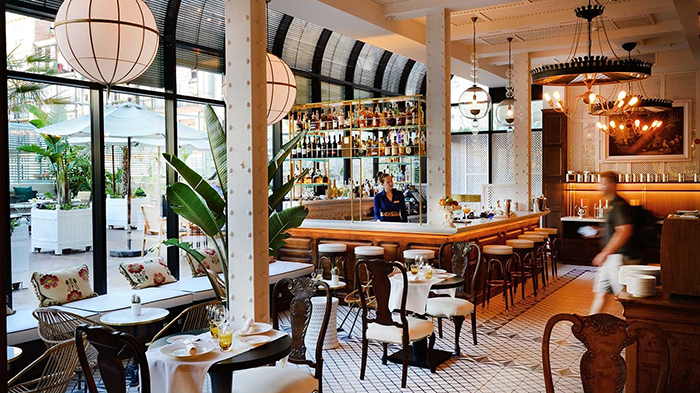
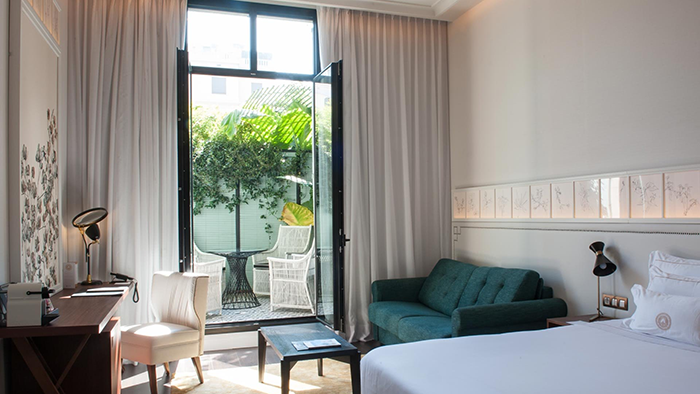
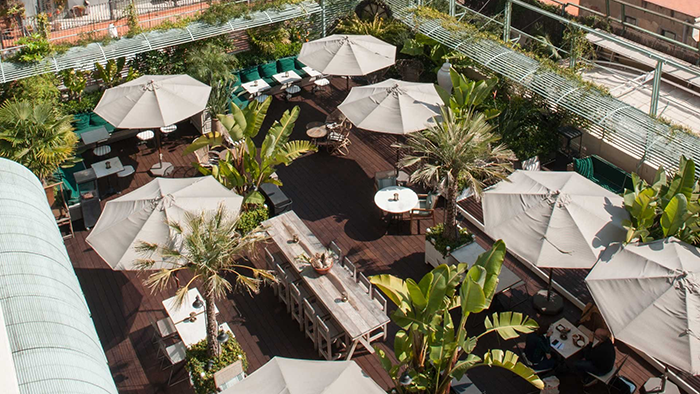
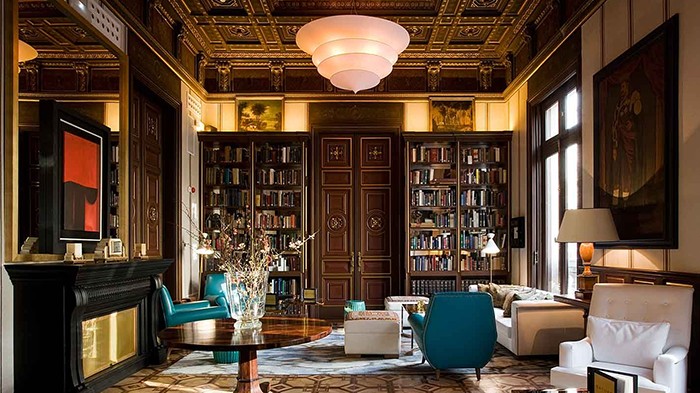
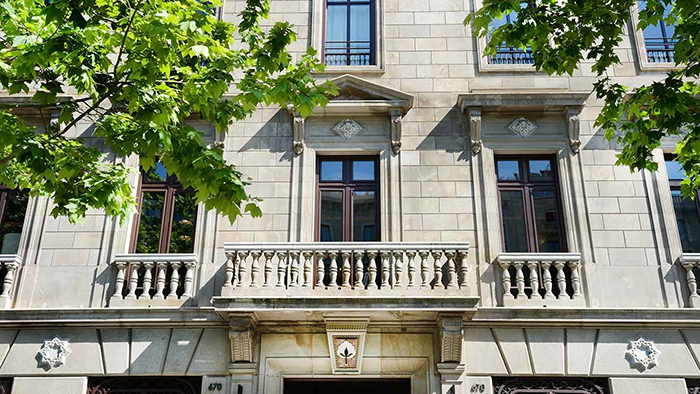
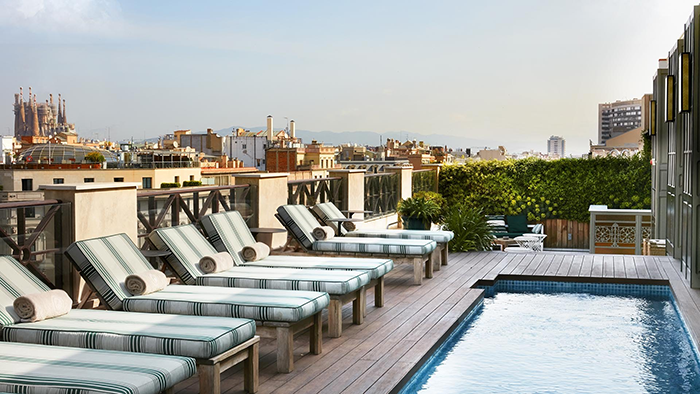
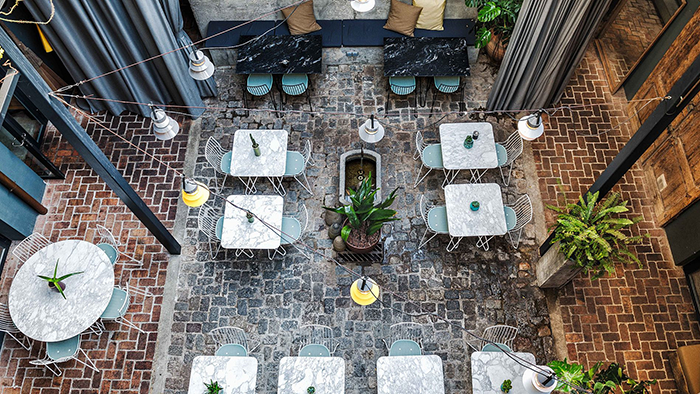
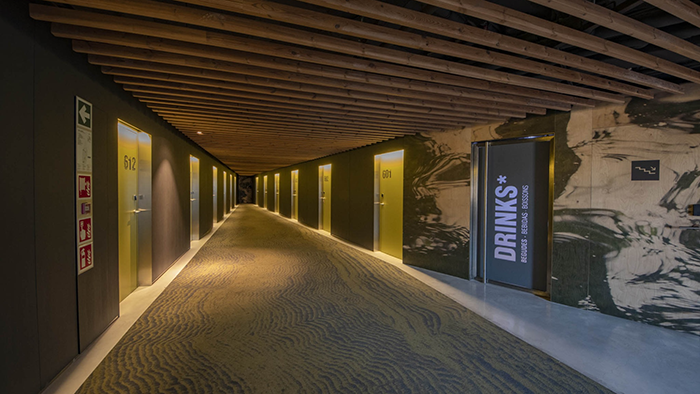
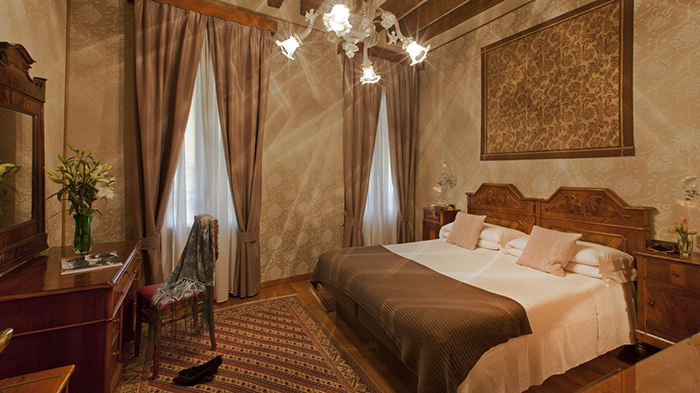
Gran Via de les Corts Catalanes, 670, 08010 Barcelona, Spain
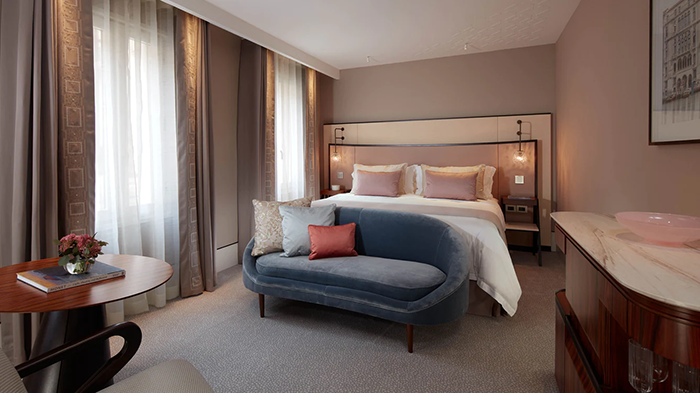
Modern Luxury in a Centrally Located Historic Building
Housed in a 19th-century neoclassical landmark, this posh hotel is situated on a road lined with elegant buildings and is a mere 5-minute walk from Passeig de Gràcia metro station, and a 10-minute walk from Antoni Gaudí's Casa Batlló.
https://www.hotelcottonhouse.com/
Hotel Brummell
C/ Nou de la Rambla, 174, 08004 Barcelona, Spain
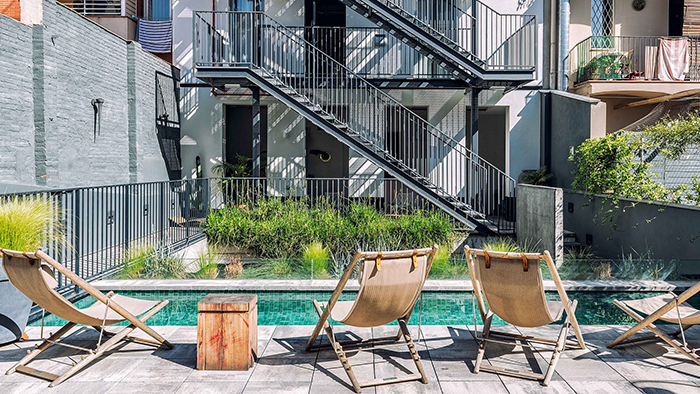
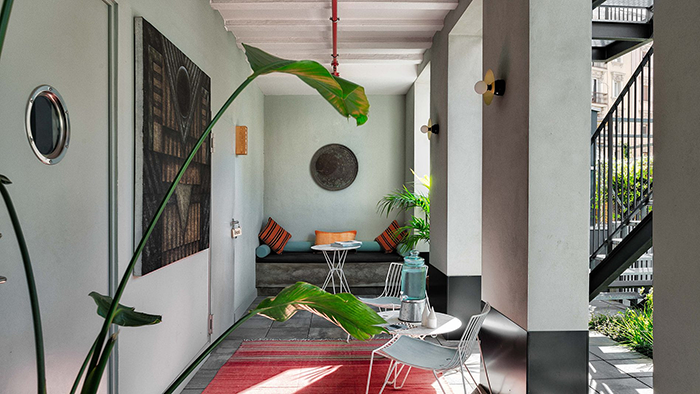
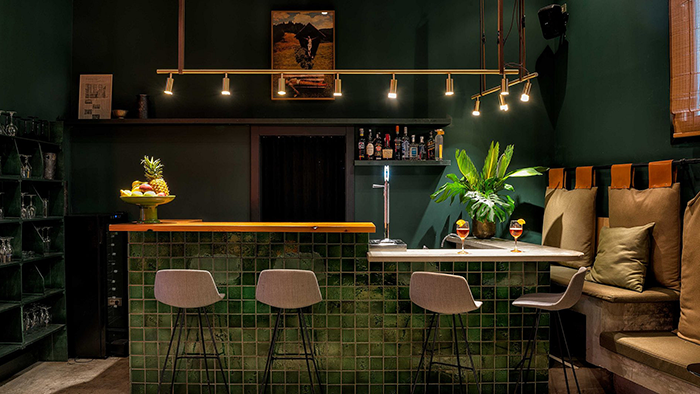
A Cozy Urban Oasis
Off the beaten track but an easy walk to the city, mountain or sea, Hotel Brummell encourages guests to either explore Barcelona or stay in at their leisure. This chic, contemporary hotel is set in a restored 1870s building in the Poble Sec neighborhood and is conveniently located near the iconic Sagrada Família church.
https://hotelbrummell.brummellprojects.com/
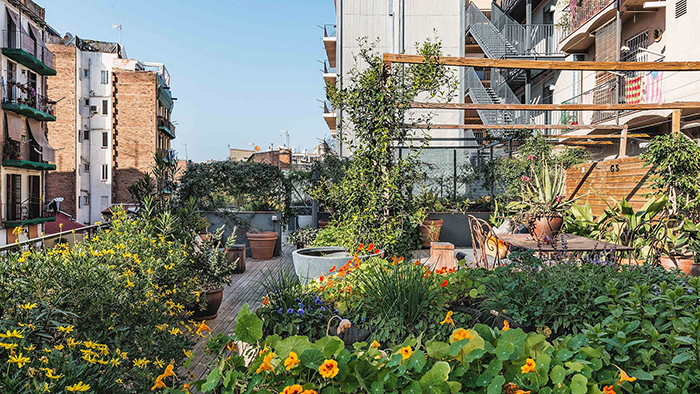
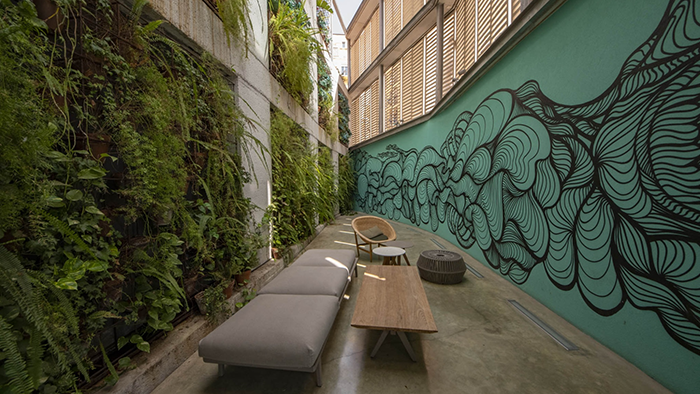
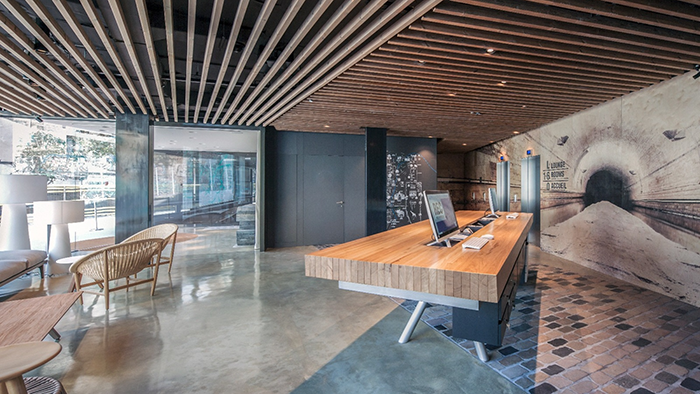
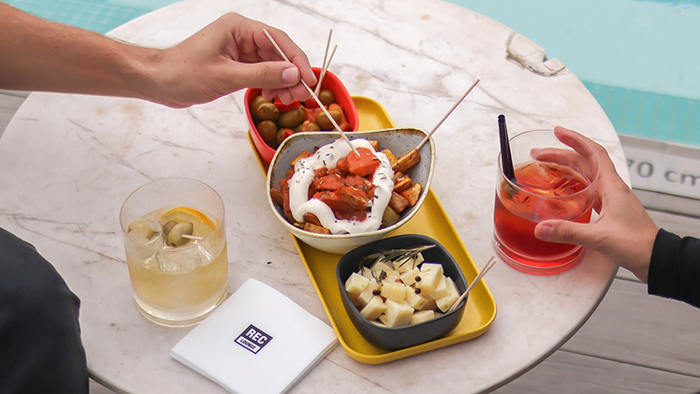
Hotel REC Barcelona
Carrer del Rec Comtal, 19, 08003 Barcelona, Spain
A Modern Adults-Only Hotel
Conveniently set in the center of Barcelona, this trendy hotel is the perfect home base for any traveler looking to see as many sights as possible. While the Hotel REC is well within walking distance to numerous attractions, it’s also nearby both a train station and a bus stop just in case you’re looking to visit an attraction nearer to the edge of the city.
https://www.hotelrecbarcelona.com/en
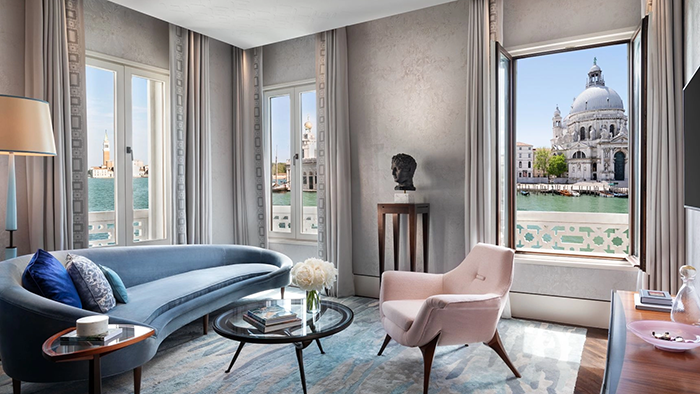
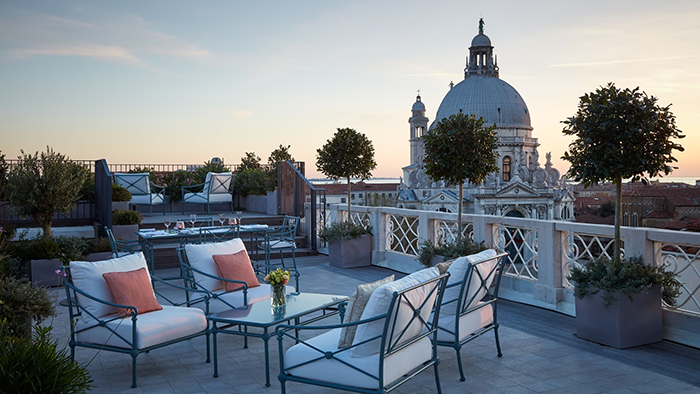
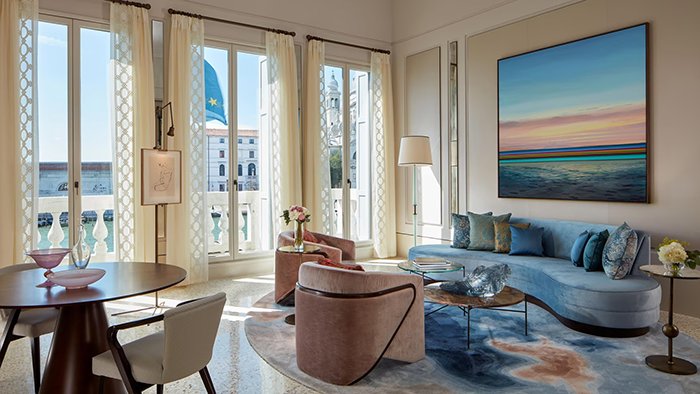
The St. Regis Venice
P.za San Marco, 2159, 30124 Venezia VE, Italy
A 5-Star Family Friendly Hotel
Avant-garde in outlook and design, The St. Regis Venice merges striking, modern interiors with its historic provenance as the best address in the city. Flanked by the Grand Canal with views across iconic landmarks, the hotel has stood in this privileged position for over a century and a half. Behind the hotel, luxury boutiques and contemporary art galleries lead the visitor to Teatro La Fenice and the treasures of Piazza San Marco, just four minutes away.
Calle Larga XXII Marzo, 2398, 30124 Venezia VE, Italy
A Historic, Family-Run Establishment
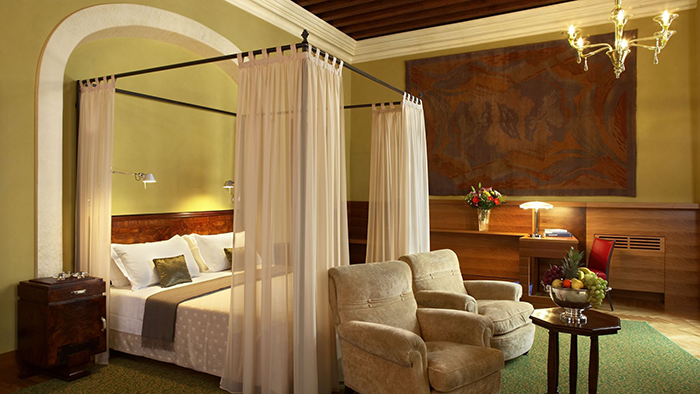
This four-star hotel enjoys a strategic position, nestled in the heart of Venice close to St. Mark’s Square and La Fenice theater. Being partly a 14th Century palace in the unique Venetian style, the Hotel Saturnia & International Venezia offers a unique atmosphere. Tradition, quality and high-level service make this hotel one of the most charming places in Venice; enriched by its historic setting and elegant, exquisite furnishings. Owned and run by the Serandrei family since 1908, the Saturnia & International is an exclusive family-run hotel that represents a magnificent evocation of the past combined with the contemporary amenities of modern life.
https://www.hotelsaturnia.it/
Hotel Palazzo Bezzi
Via di Roma, 45, 48121 Ravenna RA, Italy
Elegant Boutique Hotel Among UNESCO Monuments
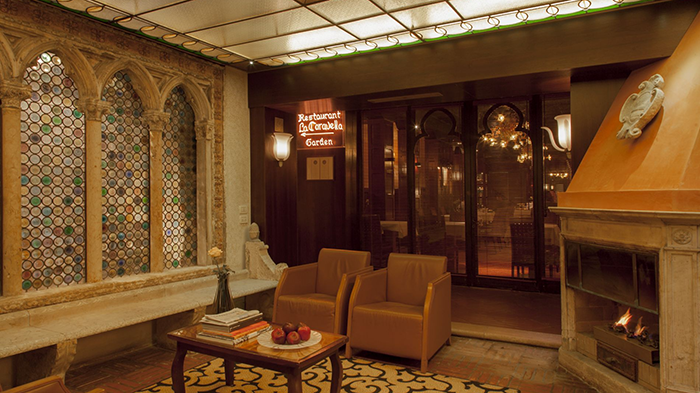
This lovely establishment is located in the historical center of Ravenna, the heart of the city’s art and culture. Hotel Palazzo Bezzi is a stone’s throw from the Palazzo di Teodorico and the Church of Sant’Apollinare Nuovo. The utmost attention to the guest and high-quality service are essential values here. This can be perceived from the outset: the staff is kind, always helpful, and pride themselves on their cleanliness and attention to detail.
https://palazzobezzi.it/en/home-english/
Before and After your cruise
Barcelona Tours
Make the most of your stay
There's more than enough to see and do in and around Barcelona to justify staying a few days before or after your cruise. Here are just a few of the near limitless sights and activities in the area.
Things To Do in Venice
We recommend our clients that are sailing out of Ravenna spend a couple days in Venice before or after your cruise. There’s so much to do in the Floating City that it may seem a little overwhelming, so we’ve taken the time to pick out a few things to do that we think you’ll enjoy:
Questions?
Call us at 800.422.0711 (US & Canada)
Or +1-727-526-1571
We can assist you with all your travel arrangements. We'd be happy to help you plan your flights, hotels or tours before and/or after your cruise conference.